Curriculum Corner: 'Turning transition time into extra recess'
Copper students want to learn, but they don’t necessarily have a good grasp of how time flies when we’re having fun. Setting up our learning environment to make it easier to achieve our goals is a step on the way to intrinsic motivation.
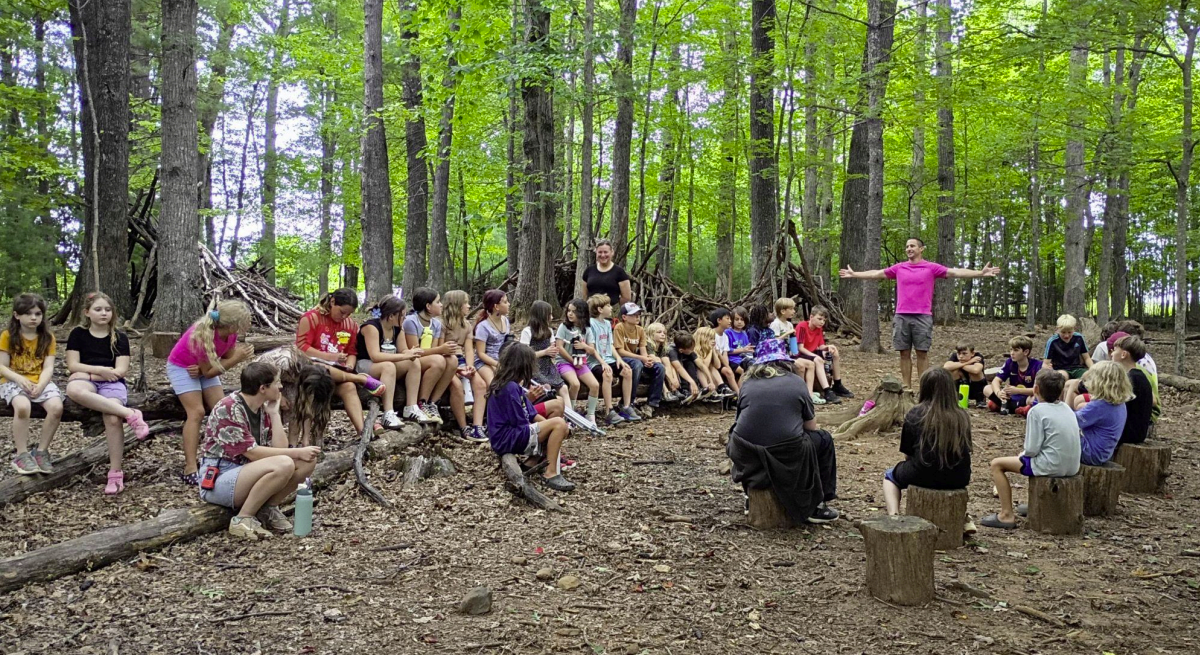
By David Choquette, Blue Mountain School Copper teacher (nine- to 11-year-olds)
Transition songs help Copper students switch from one activity to another and earn extra recess time. Some students love them, and some students hate them, but they help solidify important lessons students will carry with them through life, including teamwork.
During transition songs, students are expected to gather and put away materials, get a drink of water, have a quick conversation, get their wiggles out, and get to the right place for the next activity in 90 seconds. If the whole team is silent and ready to go as the last note of the song finishes, they get one point. When they get 30 points, they earn 15 extra minutes of recess.
We do 10 to 12 transitions a day, so a dedicated group can get extra recess every week. I figure we save at least one minute each time we transition quickly, so it’s fair to spend half those minutes working and half playing.
Some may ask, “Isn’t this a bribe, though?”
We’re not the kind of school that gives you a sticker every day if you behave. We believe students should be intrinsically motivated to learn. There are some things people are born with intrinsic motivation to do, like play, explore, and socialize. For other things, like reading, soccer, or violin, we have to reach a certain level of skill before we really enjoy it. We might need someone to encourage us or even make us practice.
Copper students want to learn, but they don’t necessarily have a good grasp of how time flies when we’re having fun. Setting up our learning environment to make it easier to achieve our goals is a step on the way to intrinsic motivation.
There are a lot of benefits of moving from one thing to another quickly: fewer conflicts, less mess, and an incentive to help each other out. The first time a single student makes us miss two transitions in a row it’s tempting to yell at him; however, that’s not only unkind but it’s also ineffective.
Instead, teammates start to look for ways to help that person, grabbing his water bottle or helping him put the game pieces away. We don’t have designated class jobs because Copper students are expected to pay attention, find a need, and do what needs doing. We hope they’ll carry that attitude into the wider community someday soon.
The best teams do become intrinsically motivated to transition quickly. Students who hate the songs eventually come around. They encourage each other. They want more time to complete the projects they’re working hard on, the projects they chose. They appreciate the peace, brisk pace, and familiar security that come from quick transitions. They come to believe and feel that our time together is sacred and all the activities we share are important.
Sometimes bribing ourselves is not actually a bribe — it’s just a demonstration that the motivation was inside us all along.
Know a child who belongs here? Blue Mountain School is enrolling for next year — contact@bluemountainschool.net. Blue Mountain School is a progressive, contemplative school in Floyd, where intentional curriculum planning is part of the everyday.
“Curriculum Corner” is a bi-weekly column written by Blue Mountain School teachers to share insight and school happenings.