
Dear Pamela: Prioritizing health in college
Disclaimer: The information provided in this article is for educational purposes only and is not intended to be a substitute for professional medical advice, diagnosis, or treatment. Always seek the advice of your physician or other qualified health provider.

Dear Pamela,
My daughter is moving away for college this fall, and I am worried she won't maintain her health while living on her own in a dorm.
What medical recommendations do you have for an 18 year old moving away from home for the first time?
Sincerely, Worried Papa
Dear Worried Papa,
Moving away from home for the first time is a big transition, for both you and your daughter. Congratulations on all the work you put into helping your daughter be a successful student and supporting her to follow her dreams! Supporting independence while ensuring basic medical preparedness is achieved will help your daughter stay healthy, and likely give you some peace of mind.
Below are some recommendations organized by preventive care, medications and supplies, mental health, sexual and reproductive health, illness and injury, and documentation/communication.

Hardwood, LVP, Carpet, Tile & Stone. We've got it all! Floyd Floor Co. brings quality and craftsmanship to every home for every budget. From design selection to expert installation, we handle everything. Call or visit our showroom to see what's new and get your free estimate today! 540-302-2858
Preventive care and routine health maintenance
Schedule a checkup: Ensure your daughter completes a physical with her primary care provider and ensure her vaccinations are all up to date, especially Tdap, meningococcal, HPV series if not finished, and any recommended flu or COVID vaccines. Bring vaccine records to campus health services.
Dental and vision: Help your daughter schedule any outstanding dental work, and get a vision check from her doctors, including update glasses or contact prescriptions, before moving.
Chronic conditions: If she has asthma, diabetes, migraines, allergies, or other chronic issues, confirm she has an up-to-date asthma action plan, list of medications and contact info for her specialists, and have her bring these records to her campus health services as well. Make sure prescriptions and medical devices are sufficient and portable.

Call us today to schedule (540) 235-3095
Medications, supplies, and prescriptions
Prescription management: Remind her to refill long-term prescriptions and arrange for either 90-day supplies or mail/autorefill through a pharmacy near campus. Verify transfer-of-care procedures for controlled substances if applicable (some require special handling).
Over-the-counter Med/First Aid Kit: Help her to put together a small medicine/first aid kit including: acetaminophen/ibuprofen, antihistamine, antacid, antidiarrheal, oral rehydration packets, throat lozenges, topical antibiotic ointment, bandages, cold compress, thermometer, etc.
Allergy preparedness: If she has severe allergies, provide an epinephrine auto-injector (and a spare if possible) and make sure she knows how to use it.
Contraception and STI prevention: If relevant, ensure access to her chosen contraception (prescription or OTC), emergency contraception, and condoms. Make sure she knows how to use all of these items. This is a good opportunity for some quality bonding conversations.

G.J. Ingram & Son
Fuel, Farm & Home Supplies
Proudly Serving Floyd County for 80 years!
2107 Floyd Hwy North, Floyd VA
540-745-3201
Illness, injury, and urgent care planning
Know the system: Locate the campus health center, urgent care clinics, and nearest ER. Understand which services campus health covers and how offcampus billing works.
When to seek care: Provide clear guidance on red flags (high fever >39°C/102°F, difficulty breathing, chest pain, severe abdominal pain, uncontrolled bleeding, signs of concussion, suicidal thoughts) and lowthreshold reasons to use urgent care (persistent vomiting/diarrhea, sprains, uncomplicated infections).
Minor procedures and care: Teach basic wound care, when to go to Urgent Care vs. Emergency Room, how to apply pressure for wounds and keep them clean and dry to facilitate healing, and discuss concussion precautions (remove from play, seek evaluation). If you are not sure about these things make sure it is discussed with her PCP before she moves away.
Emergency contacts: Store campus emergency numbers, Residential Assistant (RA) contact, local emergency services, and family phone numbers in her phone and a printed copy.
Keep communication open and normalize help-seeking. Equipping her with supplies, clear plans, and knowledge of campus resources gives her the best chance to stay healthy and independent.
And, most importantly, enjoy this special time with your daughter. Make these communications fun and comfortable, maybe over a family meal or on a family walk/run.
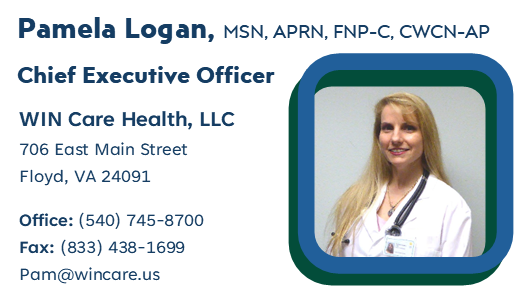
Very truly yours,
Disclaimer: The information provided in this article is for educational purposes only and is not intended to be a substitute for professional medical advice, diagnosis, or treatment. Always seek the advice of your physician or other qualified health provider.