Locally-driven group hopes to bring breakthrough mental health therapies to the region
The program highlighted the work of Bryan Hubbard, a veteran attorney and the CEO of Americans for Ibogaine (AFI), a nonprofit dedicated to advancing public education and awareness about ibogaine as a potential therapeutic option.

Be Well Now, a mental health practice based in Floyd, recently hosted a day-long program at the Floyd EcoVillage and introduced the formation of AIM (Appalachian Ibogaine Multidisciplinary), a team of professionals working through the logistics of bringing medication-assisted psychotherapy and treatments to the region.
Prompted by President Trump’s April 18 Executive Order 14401 instructing the FDA to speed up the review timeline for approving breakthrough-designated psychedelic drugs (such as psilocybin, MDMA and ibogaine) under the Right to Try Act, the group is preparing to strategize ways to integrate new emerging treatments into already existing mental health clinics and systems of care.
Led by Be Well Now clinician and AIM co-founder Joe Klein, the Oct. 20 event was attended in-person and online by regional leaders, including therapists, psychiatrists, drug court and peer recovery staff, and veterans, whose suicide rate is higher than the general population and has been estimated by the Department of Veterans Affairs to be 17 per day.

Call us today to schedule (540) 235-3095
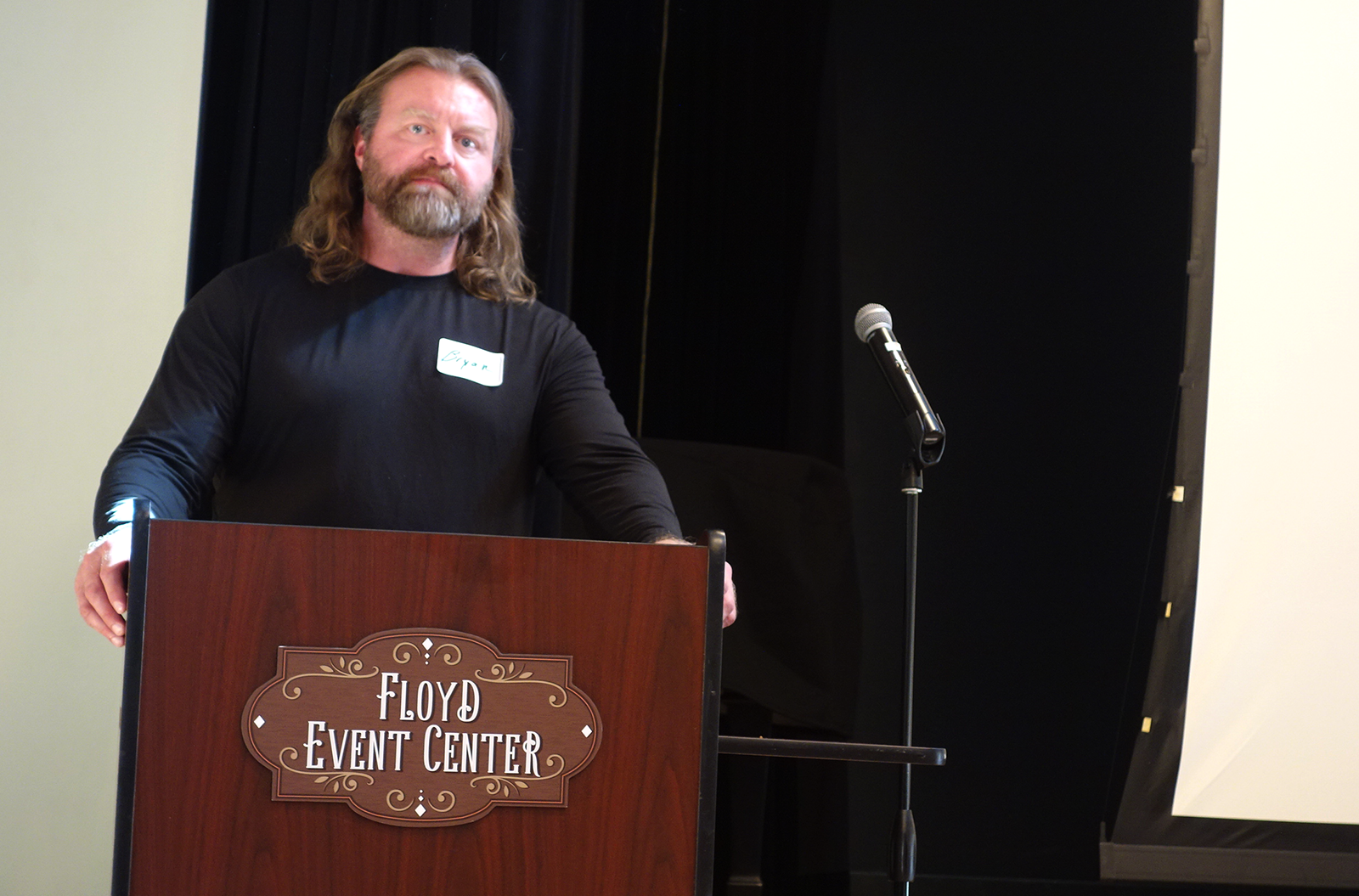
The program highlighted the work of Bryan Hubbard, a veteran attorney and the CEO of Americans for Ibogaine (AFI), a nonprofit dedicated to advancing public education and awareness about ibogaine as a potential therapeutic option for brain injuries, substance use disorder, and mental health conditions.
During his keynote address, Hubbard explained that ibogaine is the prime alkaloid from the iboga tree that grows in the central Congo basin of West Africa and has been used for centuries by native people for its visionary qualities. Its use is currently illegal in the U.S., but it’s legal in Mexico and several other countries.
Hubbard first became aware of ibogaine through his work as the chairman and executive director of the Kentucky Opioid Abatement Advisory Commission (2022-23) when an individual desperate to be free of her long-time opioid addiction shared her experience with an ibogaine treatment at a clinic in Guatemala. After her treatment she had no desire to use opioids and had no withdrawal symptoms.
Later, Hubbard’s ibogaine advocacy connections led him to team up with former Texas governor, secretary of energy and past presidential candidate Rick Perry. Perry became an advocate of ibogaine after his friend, former Navy Seal Marcus Lattrell whose life was depicted in the movie “Lone Survivor,” experienced dramatic recovery from combat-related trauma and substance dependency after undergoing ibogaine treatment in Mexico.

Andrew Blevins
210 N Locust Street
Floyd, VA 24091-2105
(540) 745-2777
Next to School House Fabrics on Route 8 in the Town of Floyd.
Hubbard and Perry’s objective of making ibogaine an accessible treatment in the U.S. was amplified by their appearance on the Joe Rogan Experience. The podcast generated momentum that contributed to a law being passed in Texas (other states followed) to fund FDA-approved clinical trials for the Ibogaine Initiative. A later Joe Rogan podcast that the pair appeared on prompted Rogan to reach out to President Trump, and that resulted in Trump signing the order to accelerate research, clinical trials, and regulatory review of psychedelic medications — including ibogaine — for serious mental health conditions and veteran suicide.
Hubbard spoke of a 2025 Stanford University study with Special Operations military veterans suffering from TBI (traumatic brain injury), PTSD, depression and anxiety. The study showed that participating veterans experienced dramatic improvements after Ibogaine treatment.
“Functional MRI data that is still being analyzed suggests that Ibogaine has the capacity, if not to regenerate, then to at least to reroute brain activity around those areas that are damaged and to dramatically restore an individual’s capability to live a functional life.” Hubbard said. Follow-up data published by Stanford Medicine in 2026 indicates that those significant improvements in mental health and functioning were sustained up to a year later.

The Floyd Country Store, home of the famous Friday Night Jamboree! Featuring a wide variety of locally sourced crafts and merchandise, stop in and browse. Enjoy lunch or a sweet treat from our Café or Soda Fountain while you're there. Live music 5 days a week!
Following Hubbard’s keynote address, a retired Navy Seal shared his story of Ibogaine therapy after being deployed to Iraq, Afghanistan, and Africa. His combat-related symptoms included reoccurring nightmares, anxiety, depression, suicide ideation, and a loss of interest in activities that he used to enjoy. It was discovered via an MRI that he also had a traumatic brain injury (TBI), and that’s when SSRIs and other medications started to be prescribed.
He mentioned Zoloft, Prozac, and Valium. “It may have been a band-aid to some, but for me it wasn’t working. It’s not a long-term solution,” he said.
About his Ibogaine treatment the veteran said, “It can be quite an ordeal because it’s fighting some really severe problems in the brain and in the psychology of people. Some guys learned about things that happened to them in childhood. It’s very powerful and can open up all kinds of doors, good and bad,” he said, “but, for me, I was ready for it.”
“The first thing I said when I woke from the ibogaine is that we’re all connected,” he continued. “It was the realization of how we all are intertwined in this world.” He mentioned that he had more patience and compassion after the treatment.

Your trusted Floyd County real estate experts. Visit our downtown Floyd office adjacent to the stoplight or browse our current listings online. Representing both residential and commercial buyers and sellers with integrity and always working to get YOU the best deal!
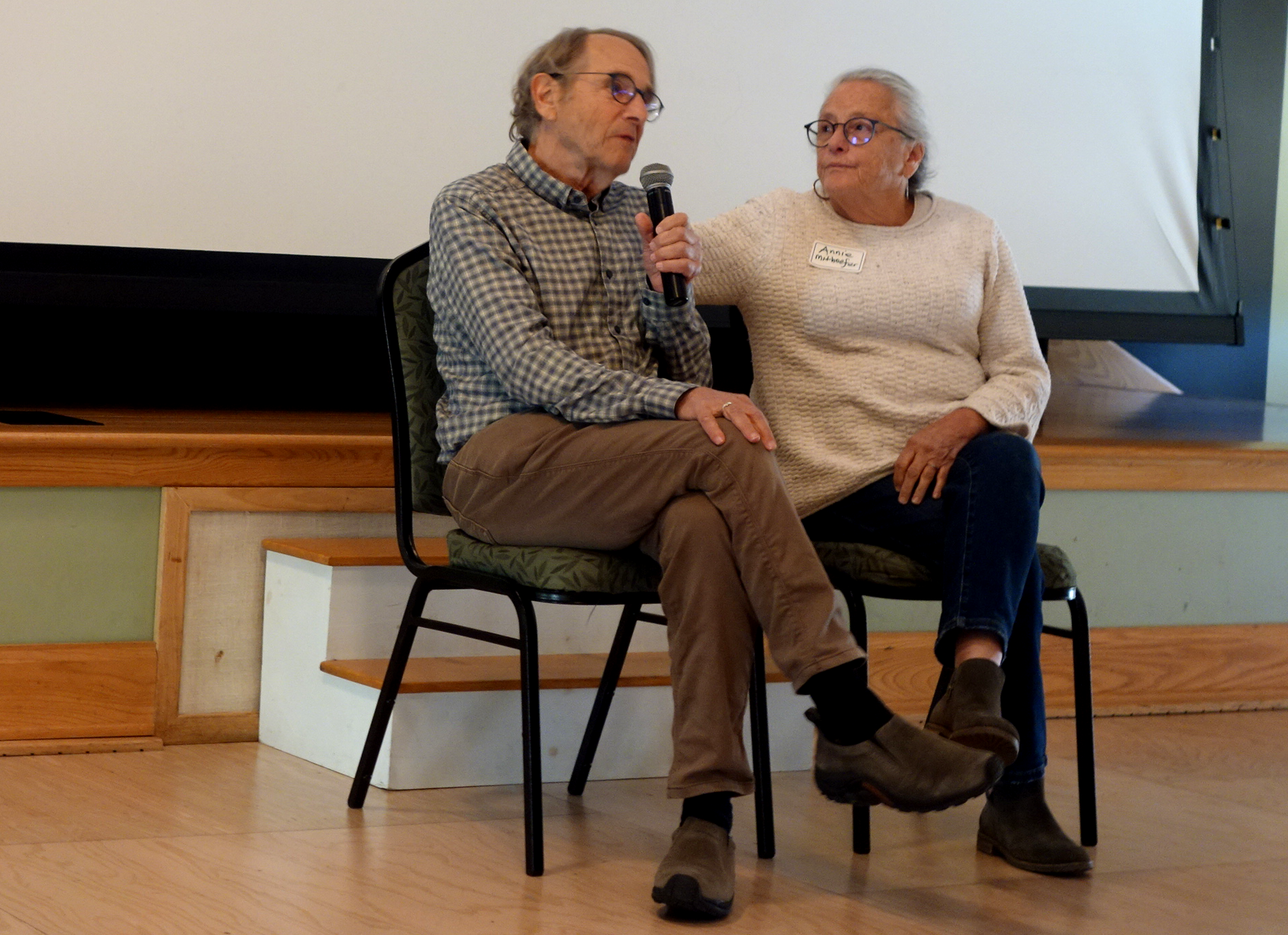
Michael Mithoefer, a clinical psychiatrist, and Annie Mithoefer, a registered nurse, shared their experiences regarding FDA clinical trials and therapist trainings for MDMA-Assisted Psychotherapy that they developed and ran in conjunction with The Multidisciplinary Association for Psychedelic Studies (MAPS). MDMA (3,4-methylenedioxymethamphetamine) acts as a stimulant and an empathogen. It increases feelings of empathy, emotional openness, and social connection. It is not yet approved by the U.S. FDA for general medical use, though it has received "breakthrough therapy" designation for research into post-traumatic stress disorder.
At the program’s closing, Klein announced that a two-day AIM/AFI summit is in the works for next April. For those who want to learn more, he recommended watching the Netflix documentary “In Waves and War.” It chronicles the journey of three Navy Seals, Marcus Capone, Matty Roberts, and DJ Shipley to Mexico where they received clinician-guided psychedelic therapy using ibogaine after suffering with treatment-resistant PTSD, TBIs, depression, substance abuse, and suicidal ideation.
“Inspired by the national advocacy of the Mithoefer’s and Hubbard, AIM was created to have a regional advocacy group working to bring these breakthrough treatments to the Appalachian Mountains where there is a high concentration of veterans with PTSD and people struggling with opioid addiction,” Klein said.