Notes on Nature: Native Pollinators
There are many locally well-known pollinators that have reemerged and clocked in for the season. Pollinators play a critical role in the world's food system, aiding in the production of about 75% of the world's flowering plants and about 35% of food crops via the transfer of pollen and nectar.

The following article is courtesy of Spikenard Farm Honeybee Sanctuary. The full piece and additional educational information, including classes, can be found online here.
There are many locally well-known pollinators that have reemerged and clocked in for the season. Pollinators play a critical role in the world's food system, aiding in the production of about 75% of the world's flowering plants and about 35% of food crops via the transfer of pollen and nectar.
The U.S. Department of Agriculture says, "Some scientists estimate that one out of every three bites of food we eat exists because of animal pollinators like bees, butterflies and moths, birds and bats, and beetles and other insects..." that pollinate crops such as apples, bananas, berries, coffee, potatoes, and more.
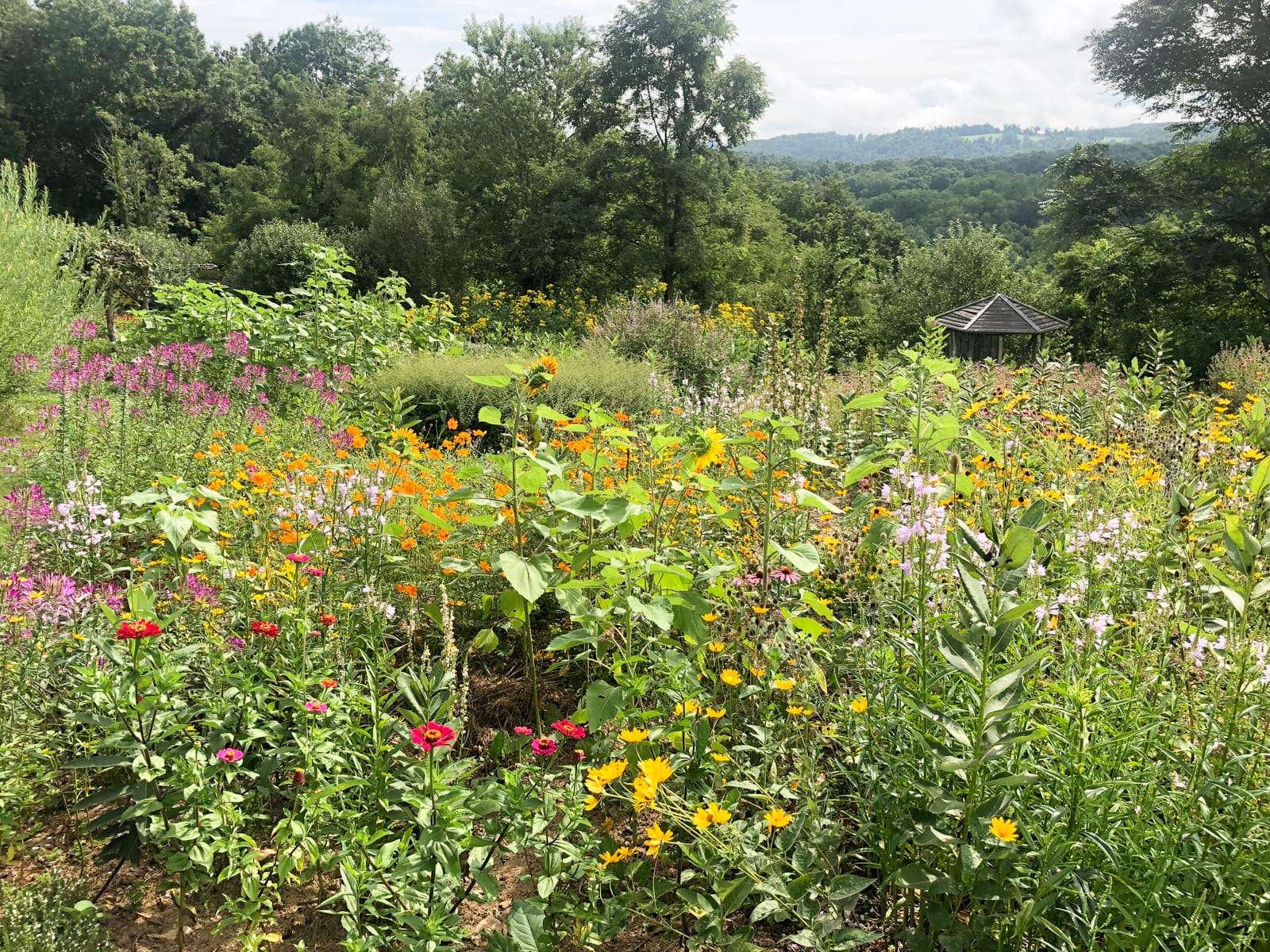
Popular Pollinators
Social Bees
The bumblebees are very important pollinators. New bumblebee queens hatch out in the fall and overwinter in a protected place until the warmth of the sun draws them out to meet the flowers of early spring. These queens find a nice nesting site like a clump of grass or an old mouse nest, and then do all the jobs of foraging, feeding the brood, warming the nest, cleaning, protecting, etc. until the first hatch of worker bees step in to their roles, and then the queen can focus completely on laying eggs and taking care of the brood. Bumblebee nests grow to about 200-300 bees through the season. These large fuzzy bees are active through the day, even in the cool of the early morning when other pollinators haven’t started foraging yet. A number of the bumblebee species are endangered due to loss of habitat.
Solitary Bees
Solitary bees live and create nests alone, and are terrific pollinators! Most are non-aggressive. Sweat bees are a good example of solitary bees. Sweat bees are attracted to the salt in your sweat (hence the name). Solitary bees usually won’t sting unless they get pressed against the skin. In our region of Virginia, there are about 72 species of native bees, most of which are solitary. The most common native solitary bees include sweat bees, mason bees, and carpenter bees.
So many of these native bees can be found foraging on the “weeds” that are in ditches and hedgerows. These more wild areas are very important for supporting the pollinators. They are attracted to yarrow, red clover and the rudbeckias. Carder bees have brushes on their forearms and will comb the leaves of fuzzy leafed plants such as mullein and lambs ear and use the fuzz to line their nests.

Your Best Move
Craig Chancellor
126 North Locust St.
Floyd, VA, 24091
(540) 523-1300
Each Office Independently Owned and Operated.
We are here to help you with all your real estate needs.
Now providing property management services.
Social Wasps
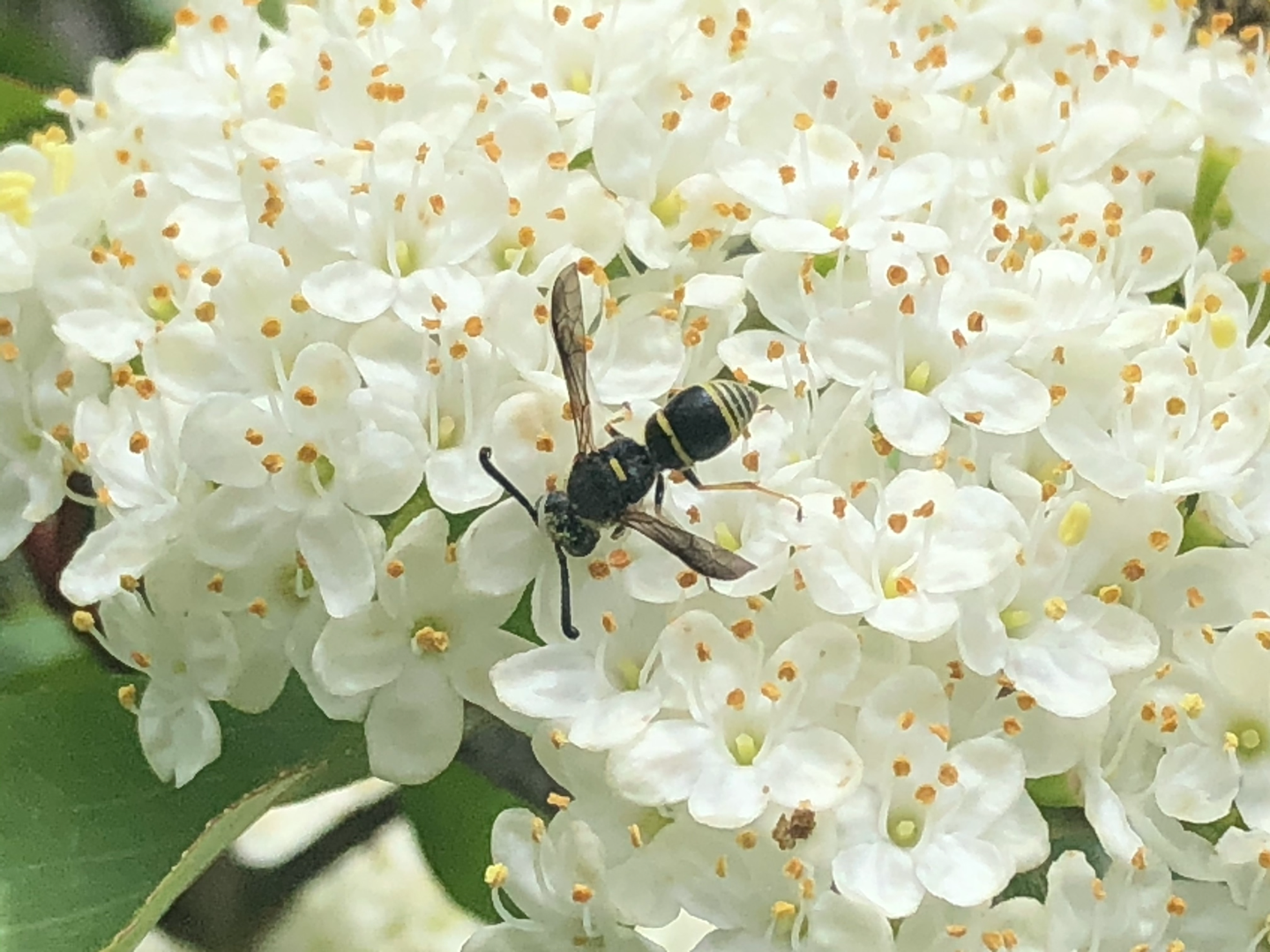
Social wasps build communal nests and have both a reproductive and worker caste. Paper wasps, hornets and yellowjackets are all considered social wasps. They make their nests out of paper, scraping off old wood, chewing it into pulp with saliva, and then feathering it out to make their combs and layers of protection.
Adult wasps both drink nectar and eat pollen. They feed their larvae caterpillars and other chewed-up soft bodied insects. Wasps also visit some of the flowers that the honeybees don’t go to, so they are very important to the ecosystem. These wasps also help protect our vegetable gardens from caterpillars and weevils.
Yellow Jackets usually build underground colonies. They are generally non aggressive, but do get territorial around the colony entrance. Because they feed insects to their larvae, they are important for pest control.
Solitary Wasps
As a general rule, the adult solitary wasps drink nectar and eat pollen. However, they capture and paralyze other insects to provide food for their young. While they may look alarming, they are generally non-aggressive, and not a threat to humans. They may nest either underground or in above ground cavities.
Mud dauber nests are very familiar to most people. They create nests out of mud with shapes ranging from elongated tubes to small nodules. Many mud daubers have a relationship with spiders, which they paralyze, drag back to their nests and lay eggs on for their larvae to eat.
Fun Fact: How do you distinguish between bees and wasps? Bees are hairy and wasps are shiny. Also, they feed their young differently. Wasps feed with meat (paralyzed or chewed up insects). Bees are vegetarian and feed with nectar and pollen.

Owner Lori Kuszmaul and her talented, professional floral designers would love to create something special for you.
Visit out store for readily available fresh flower arrangements, silk arrangements, plants, chimes and other fun & unique gifts.
We are located a half block from the stoplight. We are right around the corner.
Parasitoid Wasps
Parasitoid wasps use their ovipositor to deposit eggs into living soft bodied insects. The larvae hatch out and eat from the non-essential organs of the host. A common parasitoid wasp is the brachonid wasp that parasitizes the tomato horn worm. The adult wasps become pollinators.
Flies
Many of the flies are important pollinators. The adults drink nectar and pollen. The larvae or maggots help decompose and break down dead animals. Some flies disguise themselves as bees, but flies only have one pair of wings, versus two pairs for bees. Also fly eyes are much larger relative to the face and head.
Flower flies are members of the fly family and are very frequent visitors to flowers and excellent pollinators. Unlike bees and wasps, the flies don’t sting, but some of the flower flies do mimic wasps and bees in their coloring as a form of protection against predators. Their larvae are consumers of aphids and other soft bodied insects.
Green Lacewing larvae are such voracious eaters of aphids and other insects that they are often used as a biological control for garden pests.
Moths
While not all moths are nocturnal, moths are the evening shift of the pollinator world, pollinating when most of the other pollinators have retired for the evening.
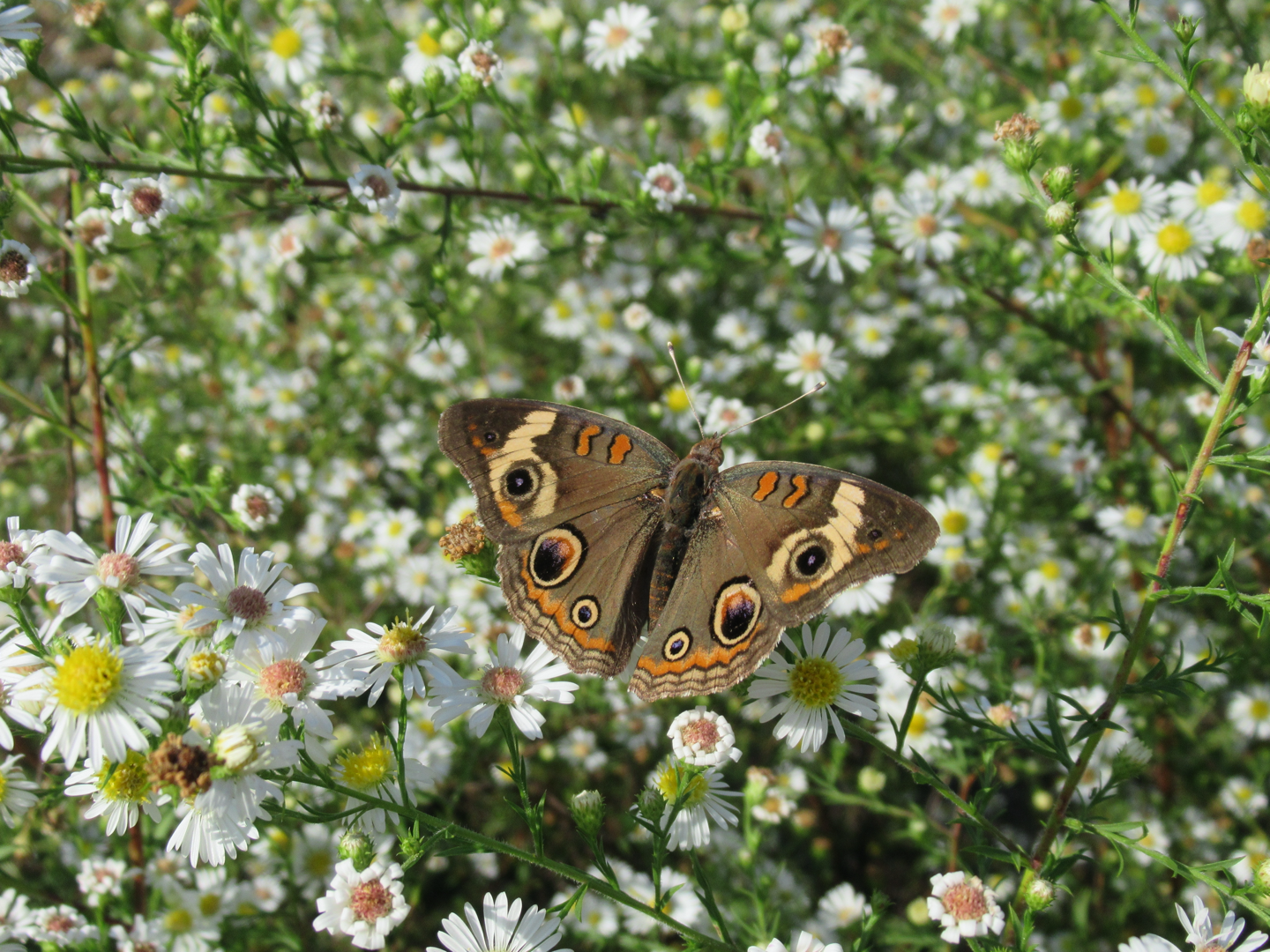
Examples of moths include the Ailanthus web worm moth, eight spotted forester moth, hummingbird moth, and buckeye moth.

Southwestern Virginia’s premier source for hemp products. From edibles and tinctures to topicals and accessories, we provide trusted, high-quality options for both wellness and relaxation. Visit our retail locations in Downtown Floyd, Roanoke (Wasena neighborhood) or shop online today!
Butterflies
Butterflies are minor pollinators compared to the bees, but they bring such beauty to the landscape. Their long, slender legs don’t allow much pollen to cling to them. Examples include the Eastern Black Swallowtail, Great Spangled Fritillary, Monarch, and White Hair Streak Butterfly.
Beetles
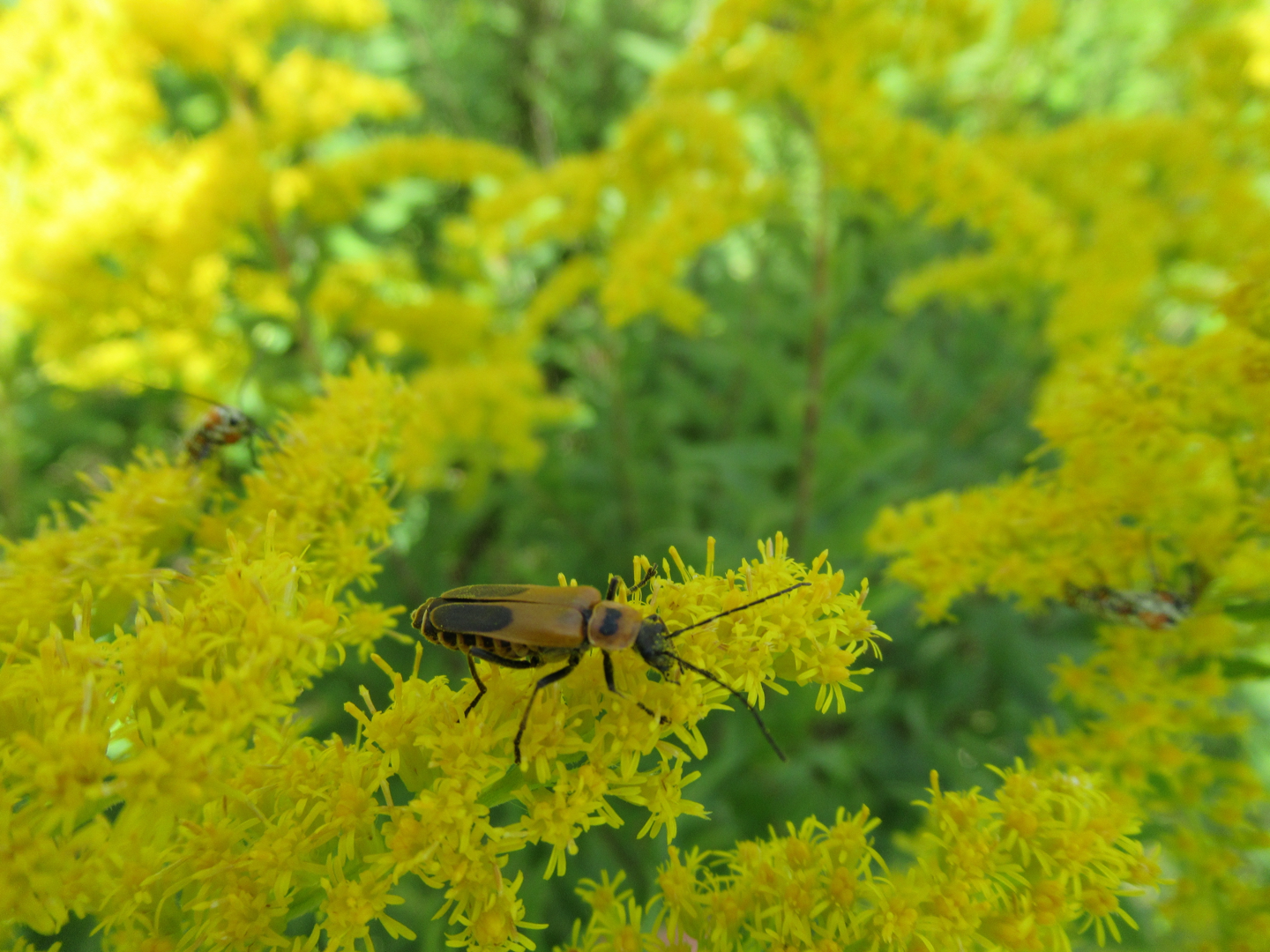
Beetles were the original pollinators and maintain an affinity for some of the ancient plant families such as magnolias. The adults are pollinators, but the larvae are serious predators of aphids and other soft bodied insects. One of the most familiar of these beetles is the Lady Bug. Like the Lacewing flies, Lady Bugs are used for garden insect control. The Pennsylvania Leatherwing Beetle is another common beetle.
Another insect you will commonly find in your garden is the Praying Mantid. The Praying Mantid is not a pollinator, but it is voracious eaters of other insects.
Ants
You may not think of ants as pollinators, but they are! Ants do drink nectar from plants, but they do so much more. Ants are social insects who live in nests underground or in trees. Our whole ecosystem is dependent on the work they do.
Ants are energy channelers, decomposers, and nutrient recyclers. They make formic acid available, turning the forest floor into a lacto-fermented compost heap that preserves the nutrients as they break down from the leaf litter, mold and fungus and such. They are central to the whole world of pollinating insects, and this has everything to do with the way they care for aphids. They take aphids down into the earth to keep them warm during the winter months. They care for them and stroke them with their antennae and in return receive honeydew secreted from the aphids. When spring arrives and the leaves are coming out, the ants bring the aphids back up above ground and up to the plants, where they continue to guard them and care for them. The aphids suck sap from the plant and secrete honeydew which the ants consume. Aphids are important because they are a primary food source for the larvae of many of the other pollinators.
Fun Fact: When you introduce honeybees to a population, the ant population goes up by 40%.
Birds
In addition to insects, birds are also important pollinators and play an essential role in the ecosystem. While there are so many wonderful birds to note, we especially celebrate the ruby-throated hummingbird here in the Eastern U.S., planting red salvia, native honeysuckle, and inviting them to join our thriving family of winged ones at the Sanctuary.
Find more resources at www.spikenardfarm.org.