Program explores freedom suit with local ties
The presentation revolved around Flora, an enslaved woman who lived in Connecticut until 1781 when she ran away to be with her husband in Massachusetts. She was recaptured, sold, and taken to Montgomery County, where she spent the rest of her life in slavery.
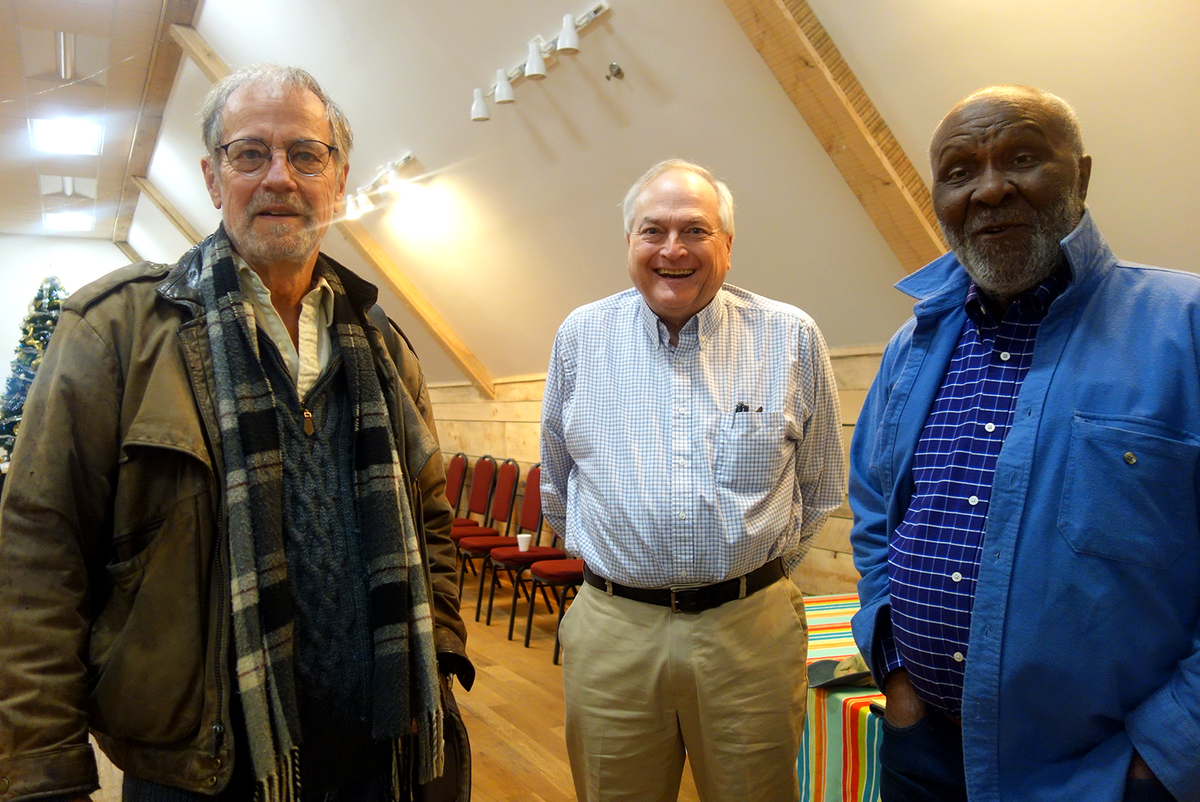
Daniel B. Thorp, Virginia Tech history professor and author, presented a program titled “Seeking Justice for Flora’s Family” that was hosted by The Floyd County Historical Society at the Floyd Center for the Arts on Nov. 14.
Thorp wrote “Seeking Justice: The Extraordinary Freedom Suits of an Enslaved Virginia Family” (2025), which won the Virginia Forum Best Book Prize of 2026.
The book is about Flora, an enslaved woman who lived in Suffield, Connecticut, until 1781 when she ran away to be with her husband in Massachusetts. She was recaptured, taken to New York, and sold, then taken to Montgomery County, where she spent the rest of her life in slavery. Flora’s daughter, Unis, alongside her sisters and their children, sued for their freedom; the suit became the longest-running suit in the history of the Commonwealth.
“What fascinated me about this case is that I was barely aware of the fact that in Virginia, and in most southern states, enslaved people could go to court and sue for their freedom if they believed they were being held illegally,” Thorp said, noting that “freedom suits were a standard part of Virginia law from shortly after the Revolution until the Civil War.”
The grounds on which the suit was based was a law that any child born of a free mother was free, and Flora and her descendants maintained that she was free in Suffield, Connecticut, and Massachusetts. Also, at that time, Virginia had laws that banned the importation of slaves.
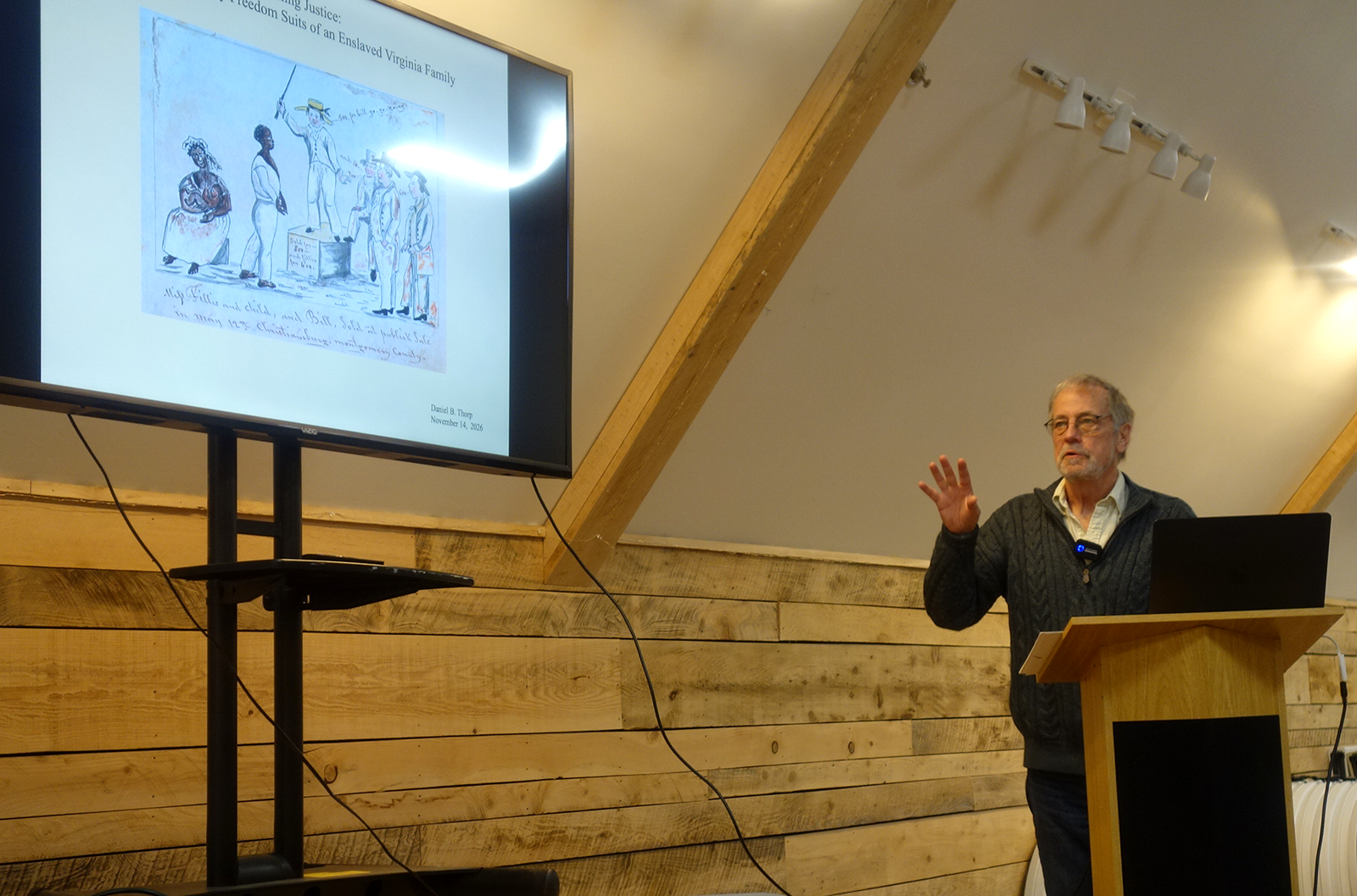
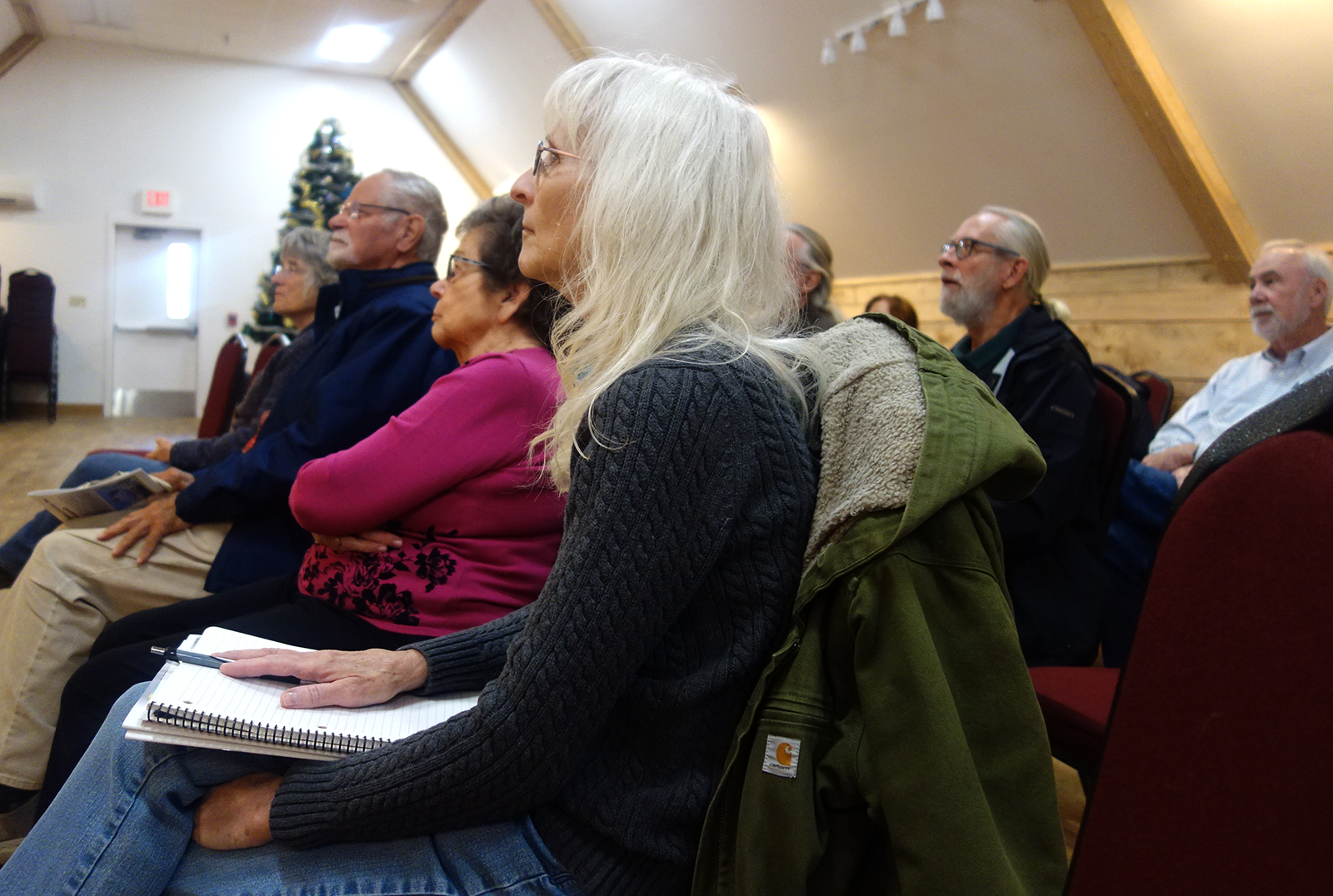
Speaker Daniel Thorp clicks through the featured presentation at the Floyd Center for the Arts as community members listen. Photos by Colleen Redman

Call us today to schedule (540) 235-3095
Thorp gave historical background details into the time period and what life must have been like for Flora. “When Flora got to Virginia, she was a cook, and I suspect she may have done the same thing as a servant for the family in Suffield, Connecticut,” Thorp said.
In Montgomery County, she was sold to James Charlton and lived on Seven Mile Tree Farm, where there is still an abandoned house standing on the property.
“What interested me is the chimney. Like a lot of homes, Seven Mile Tree Farm had an external summer kitchen,” Thorp said. “As a cook, Flora likely spent a lot of time at the fireplace.” He referred to the remains of the old stone chimney as “the only physical relic of Flora’s time on Earth,” and stated that it reminded him of a grave marker.
From Seven Mile Tree Farm Flora’s daughter, Unis, walked seven miles to Christiansburg and appeared before a magistrate to say, ‘I wish to bring a freedom suit,’ which became known as ‘Unis et al. v. Charlton's Administrator’,” Thorp stated. The case, which began in 1826, wound its way through the courts, with repeated appeals, retrials, delays, and reversals at a time when enslaved people were thought of as the property of their owners and were referred to in public records (if you could find them) by their first names only.
The case went to trial five times in four different counties, beginning in Montgomery County. In the end, in 1855, the Virginia State Supreme Court denied the family their freedom.
“After 30 years and nine trials all together. They were freed a decade later by Emancipation,” Thorp said. The Emancipation Proclamation was issued by President Lincoln in 1863 declaring that all people held as slaves in Confederate states "are, and henceforward shall be free," Thorp said.

From custom homes and renovations to decks and additions, Esensten Construction delivers dependable craftsmanship across Floyd and the surrounding areas. Locally owned, Class A licensed, and built on integrity—every project is done right, start to finish. Call today to discuss your project.
540-232-9534
Thorp spoke of his efforts in tracking down some of Flora’s descendants through her daughters and granddaughters’ family lines.
“I found some, but none of them knew anything about the trials,” Thorp said. Lewis and Lynch were a couple of descendants' surnames that he mentioned. He was able to contact George Lynch, a former NCAA champion and professional basketball player originally from Roanoke, who was interested in the story and visited Seven Mile Tree Farm with Thorp.
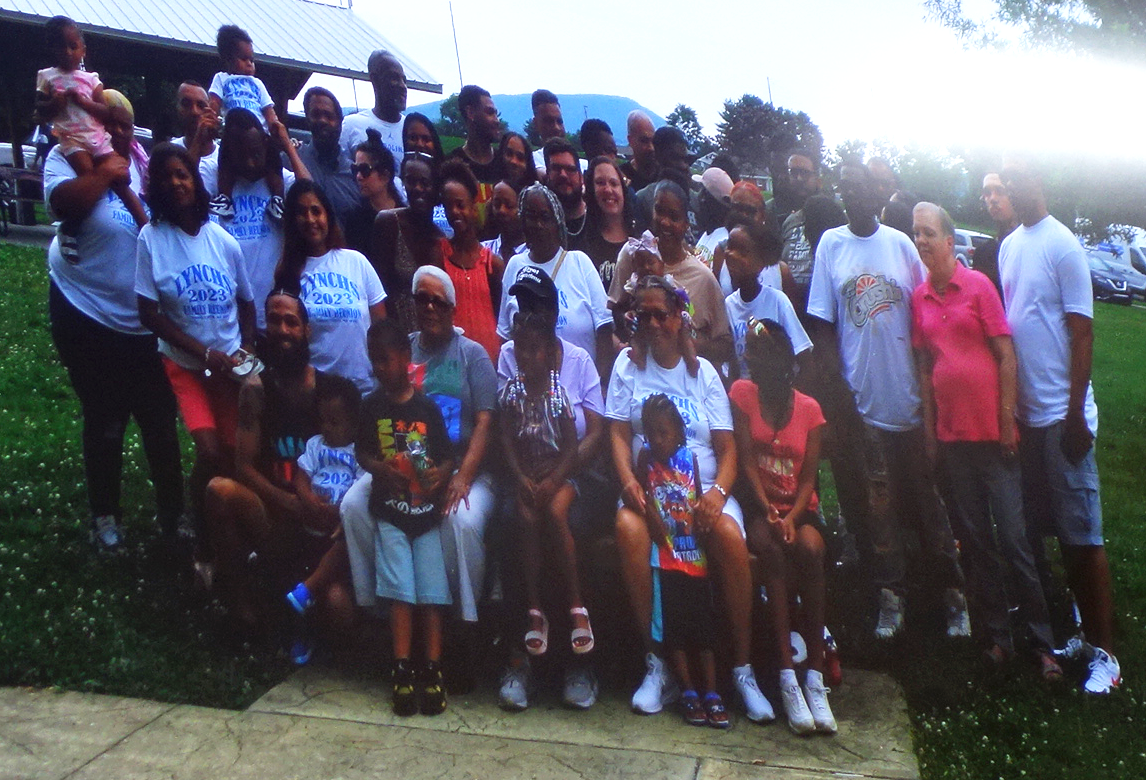
Through his contact with George Lynch, Thorp was invited to a Lynch family reunion, where he rolled out a 40-foot-long family tree that he had created on butcher paper. He invited family members to fill in more of what they knew and learned about three more generations of descendants. He said that the last of descendants in Christiansburg have passed away but that there are lots in Roanoke. “I did find descendants here in Floyd County — the Beaver family. None of them knew anything about the case,” Thorp said. He was able to meet with one member of the Beaver family.
Although the Virginia State Supreme Court denied Flora’s family their freedom in 1855, the story of Flora and her descendants is a testament to resilience in the face of injustice, Thorp said. He noted that he was fascinated by how much enslaved African Americans knew about the law and how they employed it.
Note: The lawsuit information on Unis et al. v. Charlton's Administrator has been digitized and is available at the Library of Congress. Daniel B. Thorp’s book Seeking Justice: The Extraordinary Freedom Suits of an Enslaved Virginia Family is available for purchase on Amazon and at UVA Press (upress.virginia.edu/title/10101/).