Section of Little River's flow is restored after decades of work
For the property owner, who has allowed public recreational access since purchasing the land in 2002, the dam's removal brings profound relief.
By Brian Rhodes of Working Lands for Wildlife
After years of planning, the Natural Resources Conservation Services conservation work can finally move forward on a property in Floyd County. The obstacle that had blocked progress, the Sowers Mill Dam, is gone, removed through a partnership that brought together state wildlife agencies, federal conservation programs, and university engineers to solve a problem that had troubled the landowner for more than two decades.
For the property owner, who has allowed public recreational access since purchasing the land in 2002, the dam's removal brings profound relief. The concrete structure built in 1910 had been a constant source of worry. A drowning had occurred at the site in 1947. The local Boy Scout troop that floated Little River had long expressed concerns about the hazard. Boaters regularly flipped in the dangerous rapids created by the breached dam. The property owner watched rescues unfold as the dam had become a debris strainer, living with overwhelming stress about liability and safety.
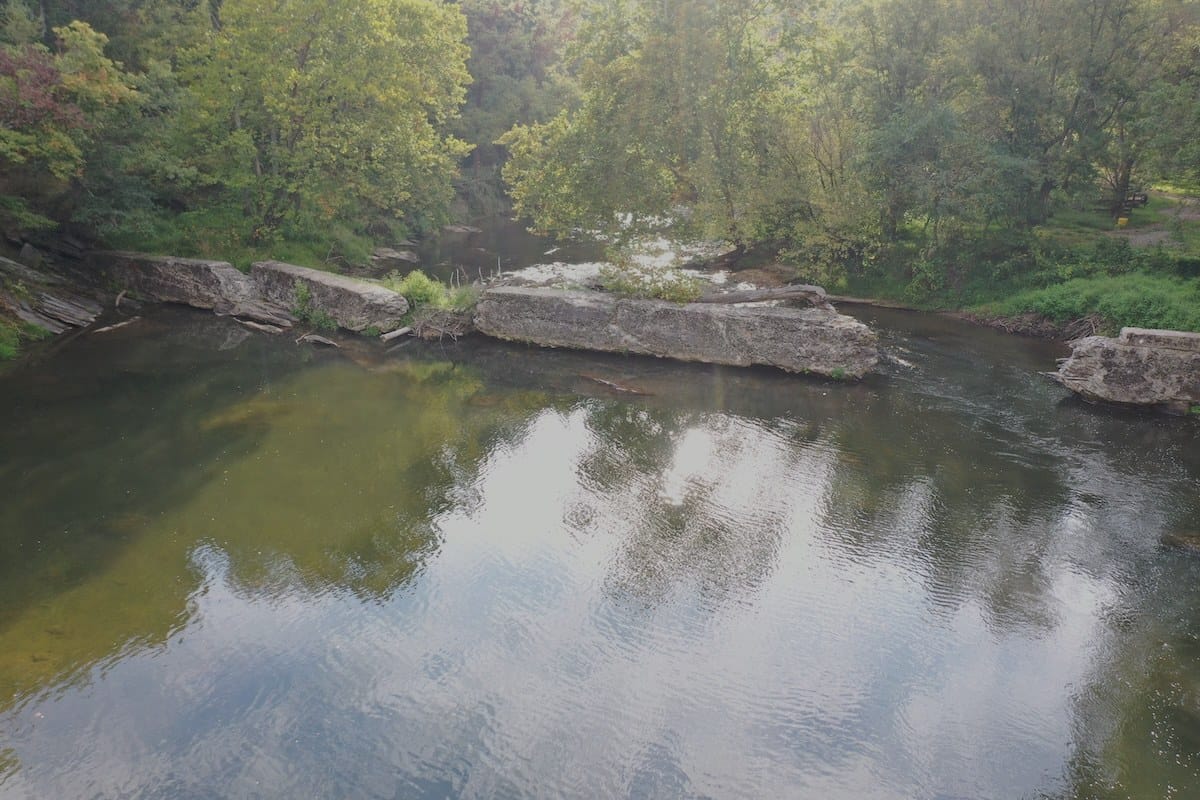
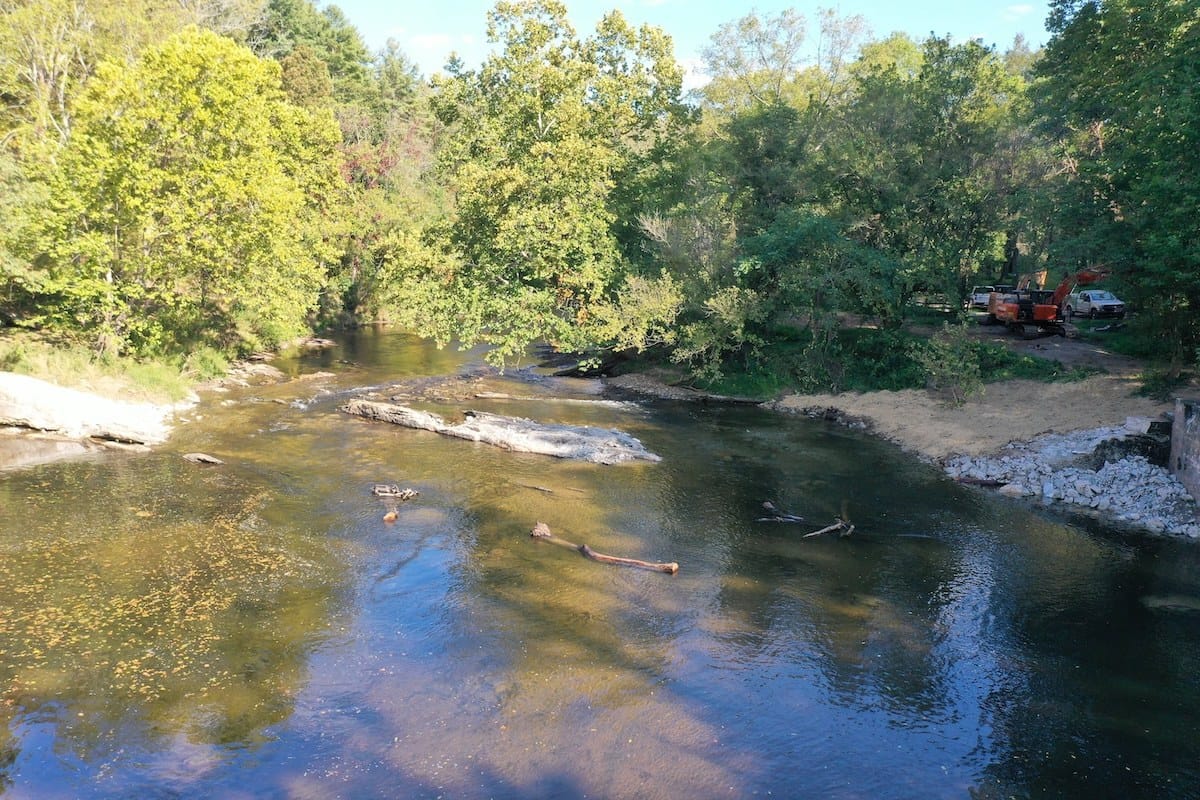
Now that worry is gone. The river flows naturally over exposed bedrock. The dangerous structure is eliminated. The property is safer for camping and boating, with improved income potential from better recreational access. Trout habitat is restored, attracting anglers. Most importantly, NRCS stream restoration work to address erosion can now proceed. Natural hydrology and sediment transport have been restored to the reach.

Troika Crafts is Southwest Virginia’s premier showcase of local and regional fine craft.
Find us at 203 S. Locust Street in The Station.
Learn more www.troikacrafts.com.
A Dam's Dangerous Legacy
The Sowers Mill Dam began as part of a productive grist mill operation in 1836. After a fire destroyed the mill in 1913, the concrete dam was repurposed to generate electricity for the Town of Floyd from 1921 to 1937. When the powerhouse ceased operation, the structure served no further purpose.
In 1947, tragedy struck when a 14-year-old boy from Riner, Jake Altizer, drowned at the dam. The Christiansburg rescue squad used explosives to breach the structure to recover his body and prevent future drownings. But the partial breach created new problems. The old powerhouse hole remained, creating a dangerous rapid and pinning hazard. The breached dam became a massive strainer, accumulating tree debris that made navigation treacherous. The dam also disrupted natural hydrology and sediment transport, degrading the stream's ecological function.

G.J. Ingram & Son
Fuel, Farm & Home Supplies
Proudly Serving Floyd County for 80 years!
2107 Floyd Hwy North, Floyd VA
540-745-3201
Building the Partnership
The breakthrough came during a summer 2024 site visit. Josselyn Lucas, the Working Lands for Wildlife (WLFW) Aquatics coordinator based at the University of Georgia, heard about the dam situation and committed to helping. She reached out to the Southeast Aquatic Resources Partnership's network, where Jesse Thomas-Blate of American Rivers connected her with Louise Finger, a wildlife biologist at Virginia DWR with extensive experience in stream restoration and dam removal.
Finger had already been aware of the Sowers Mill Dam through the Boy Scout troop's safety concerns. When Lucas reached out, the pieces fell into place. Finger had funding available through DWR's State Wildlife Grant from the U.S. Fish and Wildlife Service, designated for stream restoration projects benefiting species of concern. The grant could cover equipment and materials, but funding alone wouldn't solve the cost challenge.
Initial estimates suggested a traditional contracted removal would cost between $100,000 and $200,000, far beyond the landowner's means. The partnership found a different path. DWR would provide State Wildlife Grant funding and handle all regulatory requirements. University of Georgia engineers with WLFW would contribute surveys, design work, and skilled equipment operation. The landowner would provide access to the property and patience throughout the permitting process. Together, they could accomplish what none could achieve alone.
A follow-up site visit built the trust necessary to move forward. For the landowner, having one contact get the ball rolling and watching all the partners handle the complex work made the process remarkably seamless.
Navigating the Regulatory Process
Louise Finger managed the permitting and project management, working with the Virginia Department of Historic Resources to address the dam's status as a structure of potential historic significance. An architectural historian's report documented the dam's history of providing power to Floyd before the removal could proceed.
Finger also coordinated the biological surveys required for permitting. DWR conducted mussel surveys, which cleared the site for work to proceed. Hellbender surveys were completed as part of the pre-project assessment, though no hellbenders were found at that time. The State Wildlife Grant funding was specifically designated for stream restoration benefiting species of greatest conservation need, including Eastern Hellbender, Kanawha Minnow, Kanawha Darter, Appalachian Darter, and New River Shiner.
Engineering a Cost-Effective Solution
Frank Wagner, a University of Georgia engineer with WLFW, conducted detailed topographic surveys to understand the challenges the team faced. The dam had been built on a natural bedrock outcrop, and the 1947 breach had split it into three massive chunks of concrete. Wagner's surveys became essential tools for permit acquisition, showing regulators both current conditions and the planned restoration.
The partnership's cost-saving breakthrough came from braided funding and shared resources. University of Georgia lead engineer Zack Edwards would operate the equipment himself, providing skilled in-kind labor. DWR rented a large excavator with a hydraulic hammer and a smaller machine with a bucket through the grant funding. Edwards would handle the systematic demolition that would otherwise require expensive contractors.
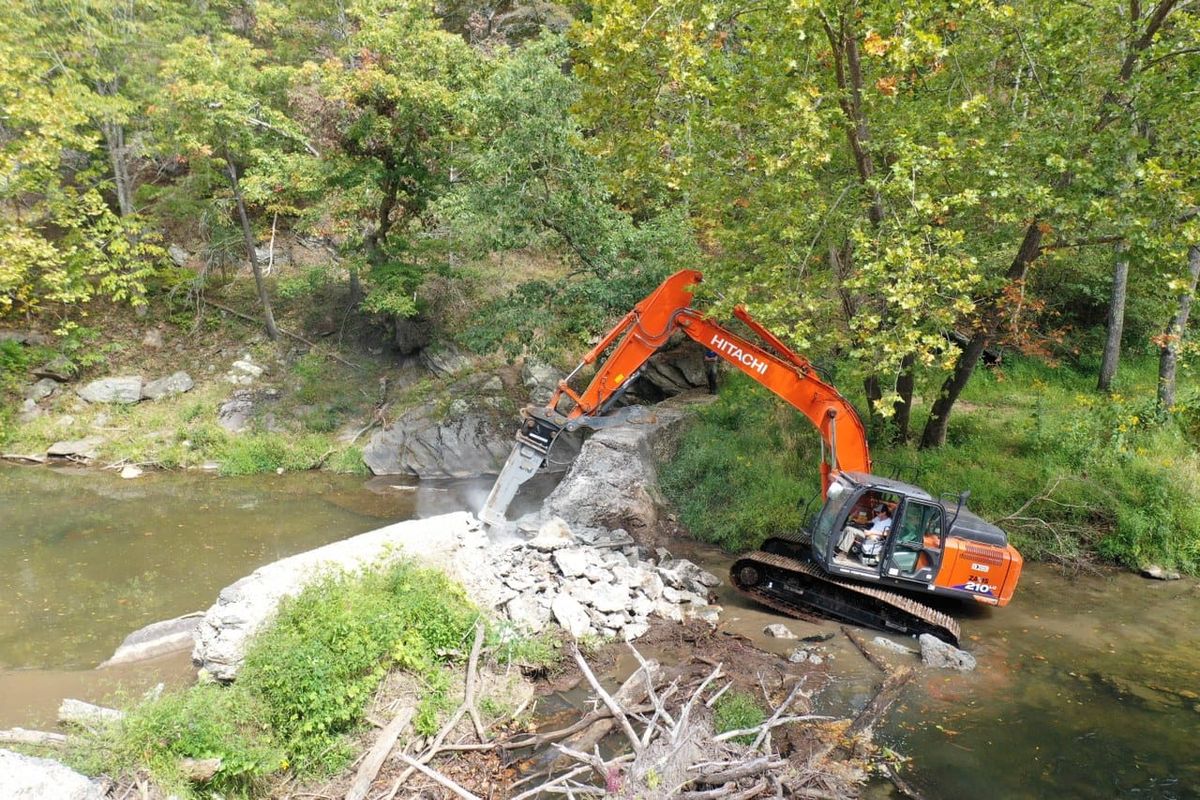
Edwards cut a ramp down the steep bank to access the river and began the methodical work. He built a rubble platform to reach the dam's center, then worked his way across. The concrete came off in large pieces once he found the proper technique. Heavy cast-iron rail ties embedded in the structure required patient excavation. Despite losing half a day while the excavator track was being repaired, Edwards completed the physical removal in about a week.
According to Finger, the removal itself is actually the easy part of dam projects. The biggest challenges come in the pre-project work: securing funding, completing permitting, navigating species restrictions, and coordinating regulatory requirements. The partnership model addressed all of these challenges efficiently.

Our store offers a selection of lumber, roofing material, insulation, plumbing fixtures, electrical components, and conveniently located five minutes outside the town of Floyd.
What Changed on the Ground
The final cost came in under $50,000, roughly 75% less than initial contractor estimates. The savings came from a simple principle: keep everything on site. The concrete rubble filled the eroded bank area and the powerhouse hole. Edwards graded the banks to match natural contours and applied straw and seed. The landowner paid nothing out of pocket.
The project delivered clear benefits for people and wildlife:
- Restored Aquatic Connectivity: The dam had blocked passage for smaller fish species, including New River Shiner, Kanawha Minnow, Kanawha Darter, and Appalachian Darter. The removal reconnected stream reaches and restored natural channel dimensions and flow patterns, reopening critical habitat and movement corridors for these species of greatest conservation need. After removal, Eastern Hellbenders returned to the site, taking advantage of newly exposed bedrock ledges and cover rocks the dam had concealed for generations.
- Eliminated Public Safety Hazard: The dangerous structure that had caused a drowning and required rescues was removed. The Boy Scouts can now safely navigate the river. Boaters no longer face the treacherous rapids and debris strainer. The landowner's liability concerns are resolved.
- Improved Recreational Access and Habitat: The river now flows naturally over exposed bedrock, the way it did before 1836. Restored stream conditions benefit trout populations, attract anglers, and create additional income opportunities through improved recreational access. The property's value for camping and boating has increased.
- Enabled Additional Conservation Work: With the dam removed, NRCS stream restoration to address erosion can now proceed. Natural hydrology and sediment transport have been restored to the reach.

A Replicable Model Already Proving Itself
The Sowers Mill project demonstrates how cross-agency collaboration delivers results on private lands. Virginia DWR provided State Wildlife Grant funding and regulatory expertise. American Rivers and the Southeast Aquatic Resources Partnership made the critical network connections. University of Georgia engineers, with WLFW, delivered surveys, design, and in-kind equipment operation, dramatically reducing costs. The landowner provided access and long-term stewardship.
This braided funding approach and shared resources made a project financially feasible that would otherwise have been impossible. The model is already being replicated. University of Georgia WLFW engineers surveyed for the Georges Mill Dam removal, which was completed in 2025 using a similar collaborative approach.
For Lucas, projects like Sowers Mill represent the future of aquatic connectivity work on private lands. The goal is to identify priority dam removals where partnership networks can facilitate the necessary connections, combine complementary resources and expertise, and deliver conservation outcomes that benefit landowners, communities, and wildlife.
Little River now flows freely for the first time in generations. The rubble and straw-covered banks will fade into the landscape over time. The foundation of the old powerhouse remains as a reminder of the site's history, but the dangerous structure is gone. In its place runs clean, connected water that serves trout, hellbenders, darters, recreational users, and a relieved landowner who can finally enjoy the river's natural beauty as it flows safely through their property.
The partnership that made it possible offers a proven template: when WLFW, state agencies, universities, and nonprofits work together with willing landowners, they can restore the free-flowing rivers that communities and wildlife depend on.
Photo Credits: Louise Finger, Virginia DWR, Madison Cogar, Virginia DWR