Reimagining the future of housing through international collaboration
Wade stated that SWVA Bio-Char, the U.S. partner in the project, "holds the only federally approved technology for this process and recently received notice of a $1.2 billion federal grant to build kilns destined for Africa.”
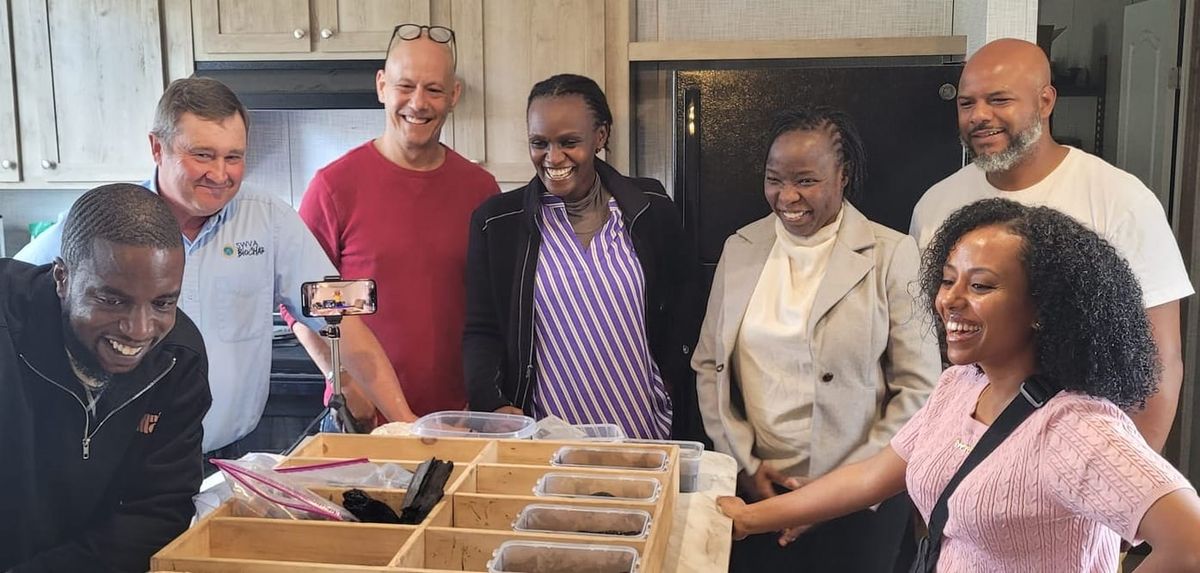
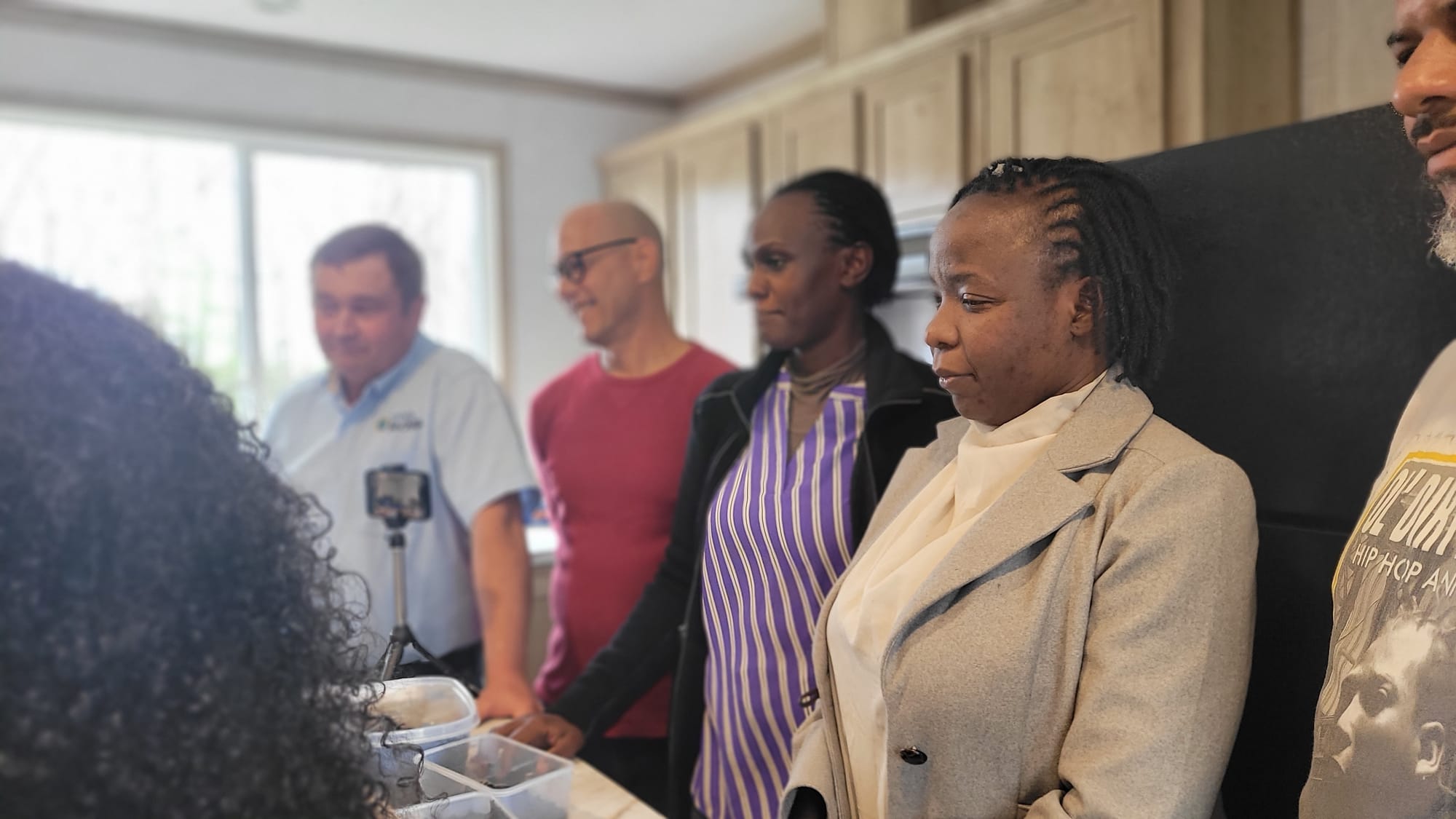
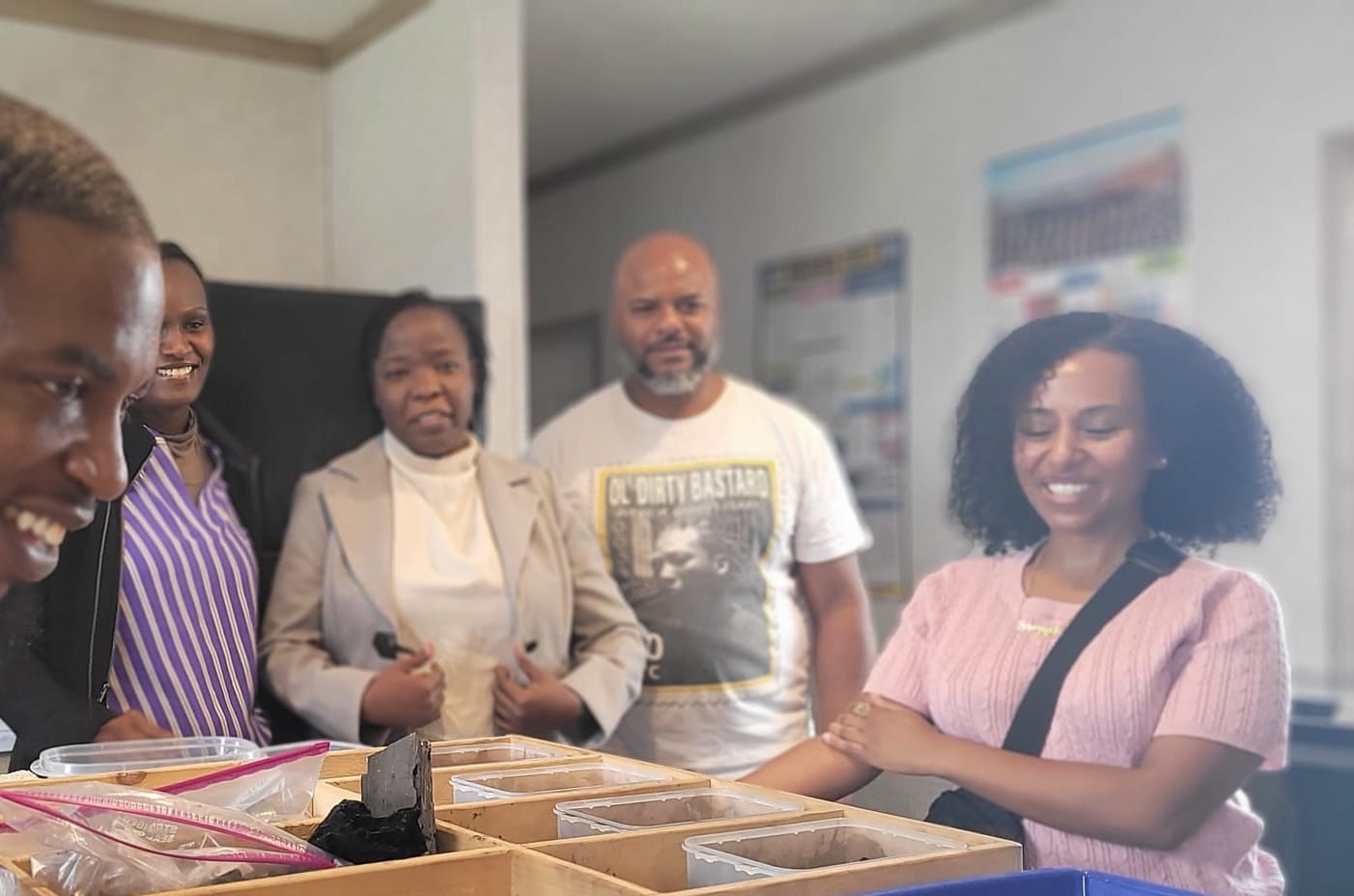
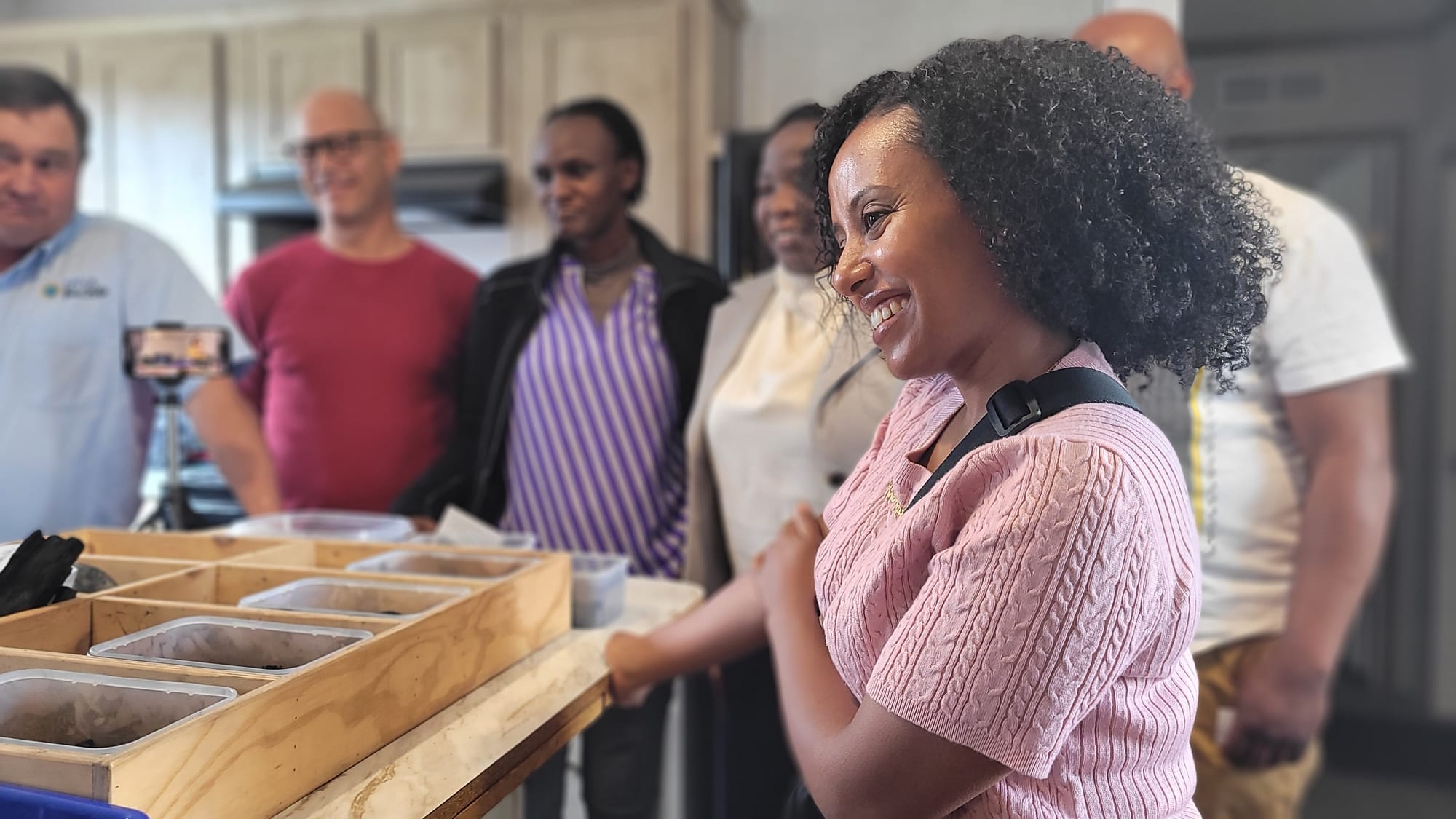
SWVA Bio-Char recently held a meeting at the Floyd EcoVillage involving a multicultural group of entrepreneurs, engineers, and development leaders with one focus in mind: sustainable communities, a.k.a. "ecovillages."
The group's concept is the beginning of self-sustaining communities in Africa driven by Bio-Char kilns, hydrothermal energy systems, 3D-printed homes, and closed-loop waste management that would provide not only heat and energy, but also cooking gas and compost to those who live in the neighborhood. With thousands of them worldwide, the term "ecovillage" has become synonymous with off-grid solar energy, composting toilets, and gardens.
Beyond their desire to solve the logistic formula that comes with establishing sustainable communities, this group is driven by their passion and a shared deep belief that the world needs to have options for people who are most often left behind by conventional development.
Southwestern Virginia’s premier source for hemp products. From edibles and tinctures to topicals and accessories, we provide trusted, high-quality options for both wellness and relaxation. Visit our retail locations in Downtown Floyd, Roanoke (Wasena neighborhood) or shop online today!
Dr. Judith Nagashal of Kyambogo University in Africa is thrilled by the potential to "contextualize through our collaboration" and benefit those who are "earning a dollar a day, drowning in unemployment, watching their waste pile up in landfills."
Rather than treating energy production, waste management, agriculture, housing, and income generation as separate problems to be solved by separate systems, this Bio-Char ecovillage design treats them as a single interconnected challenge to be looked at with a common goal and faced together with an shared solution.
Jeff Wade of SWVA Bio-Char, which was founded in Floyd County in 2021, said that it is his "heart's desire is to help average people, and not line the pockets of the government." He said, "Subdivisions like this might actually be positioning entire local populations to build something better."
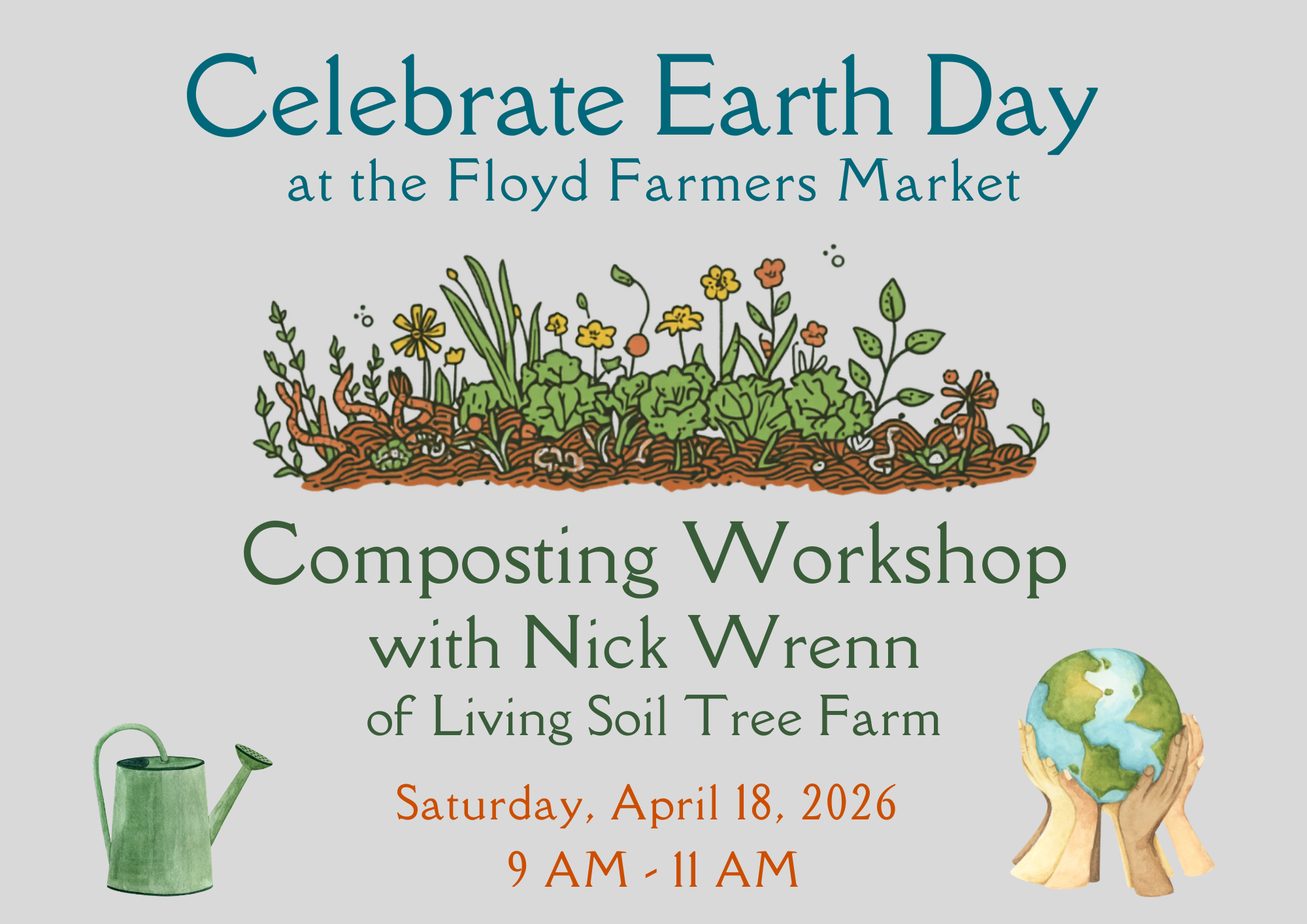
Earth Day at the market featuring an interactive Composting Workshop with Nick Wrenn of Living Soil Tree Farm.
Learn practical composting techniques and discover how to turn food scraps into nutrient-rich soil.
The system being developed "is a replicable, revenue-generating community model designed to be deployed across multiple locations globally, each one a node in a collaborative network rather than an isolated experiment,” said Wade and Shannon Williams of Net Energy Technologies & Solutions.
Dr. Anne Nakaguni, also of Kyambogo University, added that the project is "all piecewise — someone is doing this, another is doing that. But now we are looking at an eco-community concept."
At the heart of this group's planned ecovillage in Africa is a biochar production facility, which is planned to become the economic center of the community. Biochar is a form of carbon-rich charcoal produced when a variety of organic material including potential agricultural waste, food scraps, wood chips, construction debris, is heated in a low-oxygen environment through a process called pyrolysis. The result of this process is a stable product with a large range of applications, some of which are still being tested.
"The methane can be collected and stored to be used as a fuel," said Williams, who is designing the hydrothermal system, which will use water to transfer heat from the kiln to other buildings. Wade added that there are also applications for soil and garden amendments, water filtration, and concrete additives for building. Williams explained that the system will also create synthesis gas and accelerate composting.
Wade stated that SWVA Bio-Char, the U.S. partner in the project, "holds the only federally approved technology for this process and recently received notice of a $1.2 billion federal grant to build kilns destined for Africa.”
"We can go in and help these guys and we can prove the concept," Wade said, "and we can bring it back to America and say, 'hey, look, this is what we've done'.”
"The residents who live in the community are also the people who run and work the site, and profit from the bioproducts," said Nagashal and Nakaguni. They explained that there are more jobs to potentially be created, including the delivery of materials.
At the Bio-Char facility in Floyd, there is a "no waste leaves here" policy, Wade explained. "We have zero waste. The only thing that leaves here is trash. We recycle everything that comes in this site." He noted that there is currently a monthly utility expense of $2,500.
According to Wade and Williams the goal is to have the energy storage handled through battery units in large portable containers. Charles Ajemian, Wade, and Williams said that both 20- and 40-foot shipping containers will be "fitted with industrial EV-style charging systems, switchgear, and grid transformers." Williams explains that “these plug-and-play micro-grid units can be charged from any source” and are designed to create what the team calls an "islandized grid" (a self-contained electrical system that does not depend on external utility connection).
"Each house helps with generating more power," said Ajemian. "So we look at it as a scalable and recoverable source. It's modular to the output of the facility and the usage of those who are occupied."
Strong bodies build strong lives. At Floyd Fitness, we create a space where movement transforms confidence, health, and energy. Whether you’re starting fresh or chasing new goals, our team and community are here to support you every step. Join today and see what strength feels like!
A self sustainable community does not end with its ability to produce its own heat and electricity. In agriculture, the evidence and data for biochar's effectiveness is already being studied. A controlled trial completed at a local farm split a soybean field between treated and untreated sections, applying identical fertilizer chicken litter to both. According to Wade, “the biochar-treated section yielded 10 more bushels per acre. Local users including greenhouse operators, tomato growers, small farmers are reporting positive results.”
“Since our country is an agricultural country, this product is beneficial to them, too,” said Nagashal.