Veteran's Voice: 'When Surgery Hits: What Happens to Your Income, and What Help Is Actually Available at Home'
VA health care and VA disability compensation are two separate systems, and understanding the difference matters before you're lying in a hospital bed trying to figure it out.

Rural veterans facing a major surgery often ask the same question: does the Department of Veterans Affairs (VA) cover the surgery itself, or is there something that helps offset the lost income during recovery?
The honest answer is that VA health care and VA disability compensation are two separate systems, and understanding the difference matters before you're lying in a hospital bed trying to figure it out.
Health care is the medical system: enrollment, priority groups, and the actual treatment a veteran receives, whether at a VA medical center or through community care in the region. Disability compensation is a monthly payment tied to the severity of a service-connected condition, determined separately by the Veterans Benefits Administration.

Castillo Construction of Floyd offers trusted home renovations—kitchens, baths, flooring, decks, and repairs. Real projects, family-run, and detail-focused. Serving Floyd and surrounding areas. Se habla español. Call or text anytime: 336-988-6899 (Español), 336-988-6992 (English).
Local. Reliable. Done with care.
For a veteran having major surgery on a service-connected condition, a third piece comes into play: a convalescent rating. Under 38 CFR 4.30, a veteran can receive a temporary total, or 100%, disability rating during recovery if the surgery requires at least one month of convalescence, results in severe post-operative residuals such as an incompletely healed wound or the need for a wheelchair or crutches, or involves immobilization of a major joint by cast. This temporary rating pays at the full 100% rate regardless of the veteran's normal rating, starting from the date of hospital admission or outpatient treatment and continuing for one, two, or three months from the first day of the following month. A separate rule, 38 CFR 4.29, covers hospital treatment for a service-connected disability lasting more than 21 days, independent of the surgery rule above, and it also applies if a veteran was admitted for a non-service-connected reason but treatment for a service-connected disability begins during that hospital stay.
Surgery on a condition that is not service-connected is still covered through VA health care if the veteran is enrolled, but whether it's fully covered or comes with a copay depends on several factors, including service-connected status, priority group, the type of care, income, and other statutory exemptions. Veterans rated 50% or higher service-connected, those rated unemployable due to a service-connected condition, and Medal of Honor recipients pay no copays for any care. Either way, non-service-connected surgery does not trigger the convalescent rating.
Here's where things get misunderstood: Veterans often ask whether the family member caring for them during recovery can get paid. For most surgeries, the honest answer is "no, not directly." The VA's Program of Comprehensive Assistance for Family Caregivers, known as PCAFC, is the program that pays a family caregiver a monthly stipend, and it has additional requirements beyond what's covered here. Two of them in particular rule out most short-term surgical recoveries: the veteran needs a single or combined service-connected disability rating of 70% or higher, and the need for hands-on personal care has to be expected to last at least six continuous months. A recovery measured in weeks or a couple of months, which describes most major surgeries, doesn't meet that six-month threshold.

The Schroeder Law Firm is dedicated to helping individuals, families, and small businesses plan for the future and achieve their goals. We focus our practice on real estate closings, business law matters, estate and trust planning, probate and estate administration, elder law and special needs planning, and uncontested divorces.
For veterans who meet the clinical and program requirements, VA may be able to authorize Homemaker and Home Health Aide services during a period when help with daily activities like bathing, dressing, and meals is needed. This applies to enrolled veterans who are eligible for community care, meet the clinical criteria, and have the service available in their area, so it varies by location and isn't automatic. It's a health care service, not a stipend, and a copay may be charged based on service-connected disability status. Respite care is a related but separate service intended to relieve an existing family caregiver, giving them a short-term break during a demanding recovery; it's available in several settings and is also delivered as a service rather than a payment.
Aid and Attendance sometimes comes up in this conversation too, but it's a different animal entirely. It's an increased VA Pension amount, not a standalone benefit, so a veteran first has to meet the underlying Veterans Pension requirements: wartime service and financial criteria, plus an age or disability test that can be satisfied by being 65 or older, being permanently and totally disabled, residing in a nursing home due to disability, or receiving SSDI or SSI. Only after clearing that pension eligibility does Aid and Attendance itself require additional need, such as help with daily activities, being bedridden, nursing home status due to disability, or a qualifying severe visual impairment. Because it's built on pension eligibility rather than a temporary recovery, most working-age veterans facing a scheduled surgery won't qualify for it on that basis alone.
There's also the Family and Medical Leave Act (FMLA) to think about. Ordinary FMLA allows an eligible employee up to 12 workweeks of unpaid, job-protected leave for the employee's own serious health condition or to care for a qualifying spouse, child, or parent. FMLA also has a separate military caregiver provision allowing up to 26 workweeks in a single 12-month period for an eligible employee caring for a covered servicemember, including certain veterans, with a qualifying serious injury or illness. That extended provision won't apply to every veteran's surgery, since the veteran's status and the nature of the injury or illness have to meet the statutory definition, but it's worth knowing about since it goes well beyond the standard 12 weeks. Either way, FMLA does not pay anyone. It protects the job. A qualifying veteran may receive a temporary 100% VA disability rate during the same period, providing additional compensation while FMLA protects eligible employment.
None of these benefits happen automatically. The veteran must claim the temporary convalescent rating and provide medical evidence showing that the treatment and recovery meet VA's requirements. Records showing the surgery or treatment, the expected period of convalescence, postoperative complications, restrictions, or the need for assistive devices can all be important.

The old school building converted into three floors of almost all types of fabrics available, and craft supplies! Plus - an extra building of upholstery fabrics and supplies!
220 N. Locust St., Floyd VA
(540) 745-4561
sfabrics@swva.net
VA regulations provide special effective-date rules for temporary ratings under 38 CFR 4.29 and 4.30. In some circumstances, a temporary rating may be awarded for an eligible period that began before VA decided the claim. However, veterans should not assume they can wait indefinitely and still receive compensation back to the date of surgery. Claim-filing and effective-date rules can affect how far back payment can go.
For a scheduled surgery involving a service-connected disability, contacting an accredited representative before the procedure, or as soon afterward as practical, is the safest approach. If the surgery has already occurred, it may still be worth filing and submitting the medical records documenting the qualifying recovery period. An accredited Veteran Service Officer at the Virginia Department of Veterans Services (DVS) can help pull together the medical records and file it correctly.
If you or a veteran you know is facing a major surgery this year, get everything set up in advance if you can. If it's already happened and nothing was filed, it's still worth filing now.

G.J. Ingram & Son
Fuel, Farm & Home Supplies
Proudly Serving Floyd County for 80 years!
2107 Floyd Hwy North, Floyd VA
540-745-3201
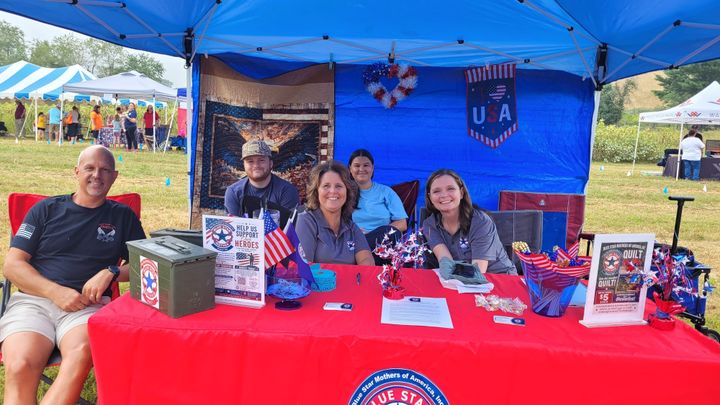
Want to talk through your specific situation with the experts? VA Health Care will be on site at Mountain Valor Fest, Sept. 12, at Crooked Mountain Farm in Floyd, ready to answer questions just like this.